
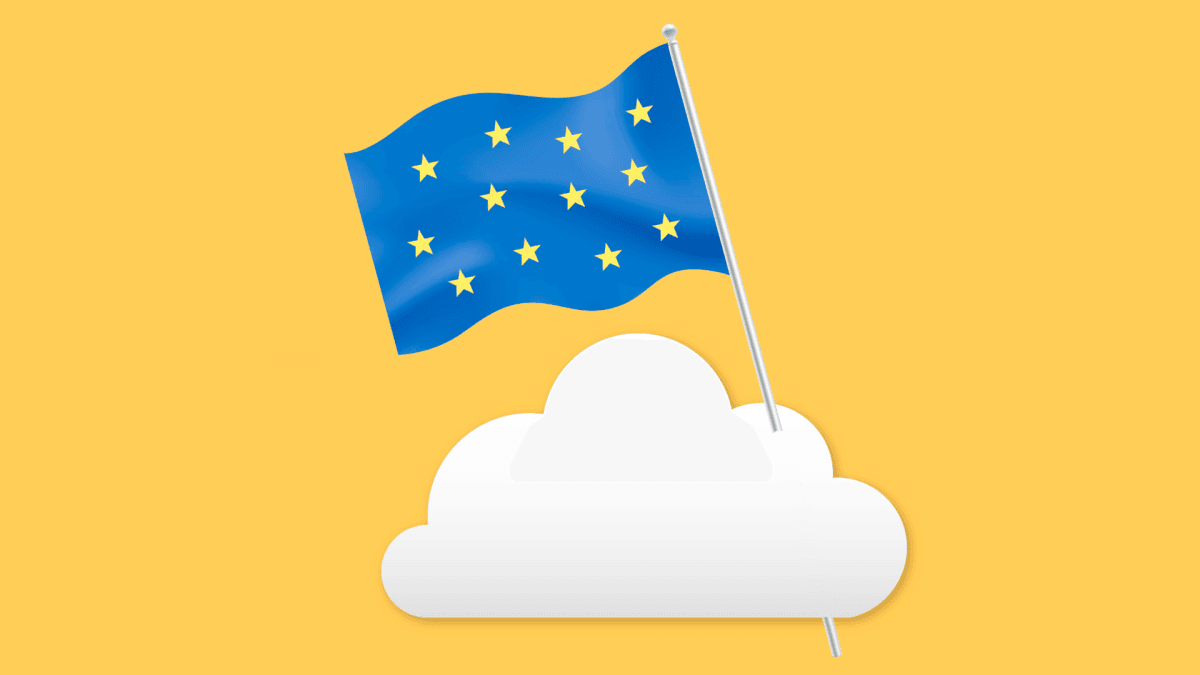
Microsoft Admits Inability to Guarantee EU Data Protection from US Transfers
In a recent hearing, Microsoft France's chief justiciary admitted that the company cannot guarantee the protection of EU data from being transferred to the United States. This admission raises significant concerns regarding data sovereignty and compliance with the General Data Protection Regulation (GDPR). The primary issue stems from US laws such as the CLOUD Act, which can compel US-based companies to disclose data to US authorities, regardless of where the data is stored. This legal framework poses a substantial challenge to Microsoft's ability to ensure that EU data remains within the jurisdiction of EU privacy laws.
The implications of this revelation are profound for cybersecurity and data protection professionals. EU-based organizations utilizing Microsoft's cloud services may face compliance risks under GDPR, which mandates stringent data protection measures. The potential transfer of EU data to the US could expose it to US surveillance laws, thereby violating GDPR provisions and compromising the privacy rights of EU citizens.
Microsoft has attempted to mitigate these concerns by establishing data centers within the EU and offering encryption solutions. However, the admission by Microsoft France's chief justiciary indicates that these measures may not be sufficient to guarantee that data will not be transferred to the US. This uncertainty underscores the need for organizations to carefully evaluate their cloud service providers and consider alternatives that can offer stronger guarantees of data sovereignty.
One potential solution for EU-based organizations is to migrate to cloud providers based within the EU, such as OVHcloud and Scaleway. These providers can offer assurances that data will remain within EU jurisdictions, thereby aligning with GDPR requirements and mitigating the risk of data transfer to the US. Additionally, organizations may explore advanced encryption solutions that can protect data even if it is transferred across borders.
In conclusion, Microsoft's admission highlights the ongoing challenges of data sovereignty and compliance with GDPR. Cybersecurity professionals must remain vigilant and proactive in assessing the risks associated with their cloud service providers. By considering EU-based alternatives and robust encryption solutions, organizations can better safeguard their data and ensure compliance with EU privacy laws.