
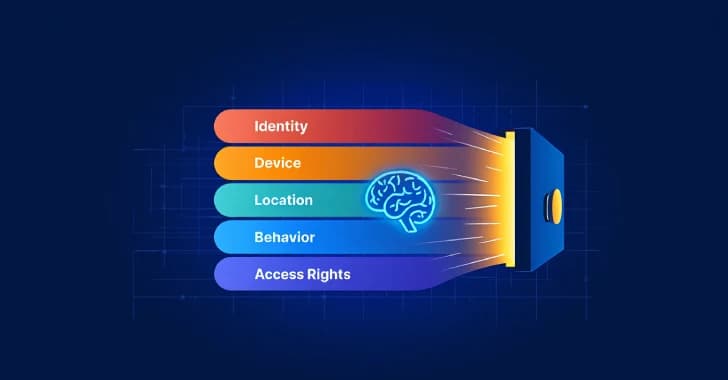
Zero Trust: The Essential Pillar of Modern Security by 2025
By 2025, Zero Trust has evolved from a theoretical concept to a fundamental requirement for modern security architectures. This shift underscores the necessity for organizations to adopt robust Zero Trust frameworks to not only meet regulatory requirements but also to enhance cyber-resilience, secure third-party partnerships, and ensure operational continuity. Zero Trust is a security model that mandates strict identity verification and access controls for every user and device attempting to access resources on a private network. Unlike traditional security models that rely on perimeter defenses, Zero Trust operates on the principle of "never trust, always verify." This approach is critical in today's threat landscape, where threats can originate from both outside and inside the network. The adoption of Zero Trust architectures has significant technical implications. Organizations must implement multi-factor authentication (MFA), identity and access management (IAM), micro-segmentation, and continuous monitoring and validation. These measures are essential for verifying and securing every access request, thereby minimizing the risk of unauthorized access and lateral movement within the network. The impact of Zero Trust on the cybersecurity landscape is profound. By enhancing cyber-resilience, organizations can better protect against both external and internal threats. Securing third-party partnerships mitigates risks associated with supply chain attacks, which have become increasingly prevalent. Ensuring operational continuity means that business operations can continue with minimal disruption even in the face of cyber threats. From an expert perspective, the shift towards Zero Trust is a response to the increasing sophistication of cyber threats. Traditional perimeter-based security models are no longer sufficient. Zero Trust provides a more granular and dynamic approach to security, which is essential in today's threat landscape. Organizations should start planning and implementing Zero Trust architectures now if they haven't already. This includes investing in the necessary technologies and training staff on the new security protocols. Regular audits and updates to the security posture will be crucial to maintain effectiveness. In conclusion, Zero Trust is not just a buzzword but a necessity for modern security architectures. Its adoption will significantly enhance an organization's ability to defend against cyber threats and ensure business continuity.