
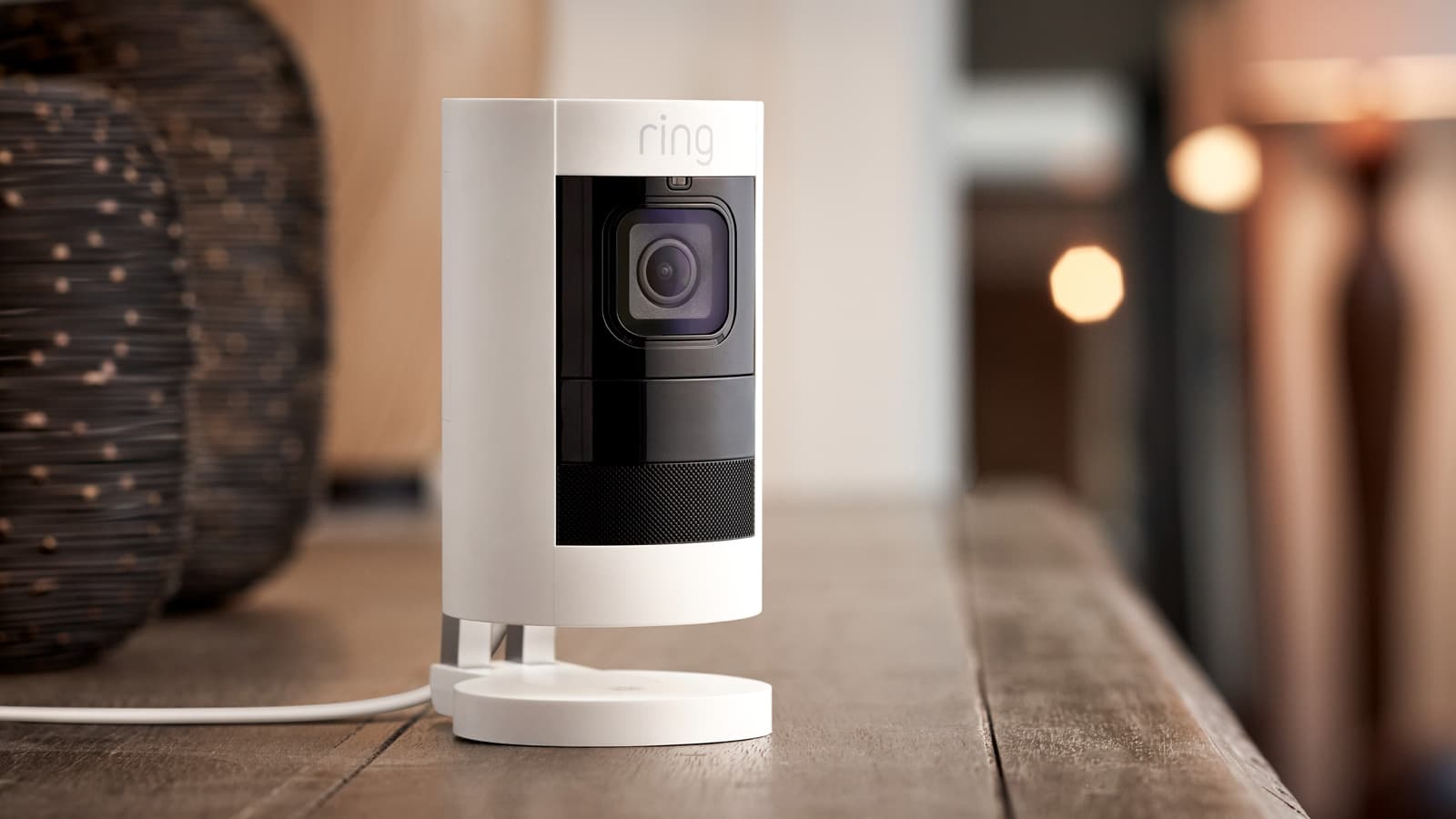
Ring Attributes Unauthorized Account Accesses to Backend Update Bug, Not Security Breach
On May 28, Ring users reported an increase in unauthorized connections to their accounts. Ring, the smart home security company owned by Amazon, attributed this issue to a bug during a backend update rather than a security breach. Users observed unknown devices connected to their accounts, raising significant concerns about potential unauthorized access. Ring has denied any compromise of its systems, asserting that the problem stemmed from a technical error.
Technically, this incident highlights the critical importance of rigorous testing and validation during backend updates, especially for IoT devices that handle sensitive user data. The issue could have been caused by a misconfiguration, improper session management, or flawed authentication token handling during the update process. Regardless of the root cause, unauthorized access to smart home devices poses serious risks, including privacy violations and potential physical security threats.
The impact on the cybersecurity landscape is noteworthy. Even if this incident was not a breach, it underscores the vulnerabilities inherent in IoT ecosystems. Users' trust in smart home security devices could be eroded, emphasizing the need for transparent communication from companies when such incidents occur. For cybersecurity professionals, this incident serves as a reminder of the importance of robust authentication mechanisms, continuous monitoring, and thorough testing before deploying updates.
From an expert perspective, it is advisable for Ring users to take precautionary measures such as changing passwords, enabling two-factor authentication (2FA), and regularly reviewing connected devices. Companies must ensure that their update procedures are foolproof to prevent such incidents, which can have far-reaching consequences beyond just digital security.