
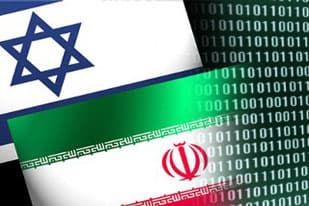
MuddyWater Deploys New DCHSpy Variants Targeting Android Users Amid Iran-Israel Conflict
he Iranian hacking group MuddyWater, also known as SeedWorm, TEMP.Zagros, and Static Kitten, has been observed deploying new variants of the DCHSpy spyware targeting Android users. This campaign, identified by Lookout researchers, is unfolding against the backdrop of escalating tensions between Iran and Israel, suggesting a potential geopolitical motive behind the attacks. MuddyWater has been active since at least 2017, with previous campaigns involving DCHSpy targeting various platforms. The new variants of DCHSpy are designed to spy on Android users, likely exfiltrating sensitive data such as messages, call logs, contacts, and location information. The evolution of DCHSpy indicates that the threat actors are continuously refining their tools to evade detection and enhance their espionage capabilities. Technically, DCHSpy variants are likely delivered through phishing attacks or malicious applications, exploiting vulnerabilities in Android or leveraging social engineering tactics to gain access to devices. Once installed, the spyware operates stealthily, collecting and transmitting data back to the attackers' command-and-control servers. The implications of this campaign are significant for both individual users and organizations. Android devices are ubiquitous and often contain a wealth of sensitive information, making them prime targets for espionage activities. The involvement of an APT group like MuddyWater underscores the sophistication and persistence of the threat, requiring robust defensive measures. For cybersecurity professionals, this development highlights the need for enhanced mobile security strategies. Organizations should ensure that all mobile devices are running the latest security updates and are equipped with advanced threat detection solutions. Users should be educated about the risks of phishing and the importance of only installing applications from trusted sources. The geopolitical context of this campaign is also noteworthy. The timing suggests that MuddyWater's activities may be aligned with Iran's strategic interests amid its conflict with Israel. This serves as a reminder that cybersecurity threats often intersect with geopolitical tensions, necessitating a holistic approach to threat intelligence that considers both technical and geopolitical factors. In conclusion, the deployment of new DCHSpy variants by MuddyWater represents a significant threat to Android users, particularly those connected to the Iran-Israel conflict. Cybersecurity professionals must remain vigilant, updating defenses and educating users to mitigate the risks posed by this evolving spyware.