
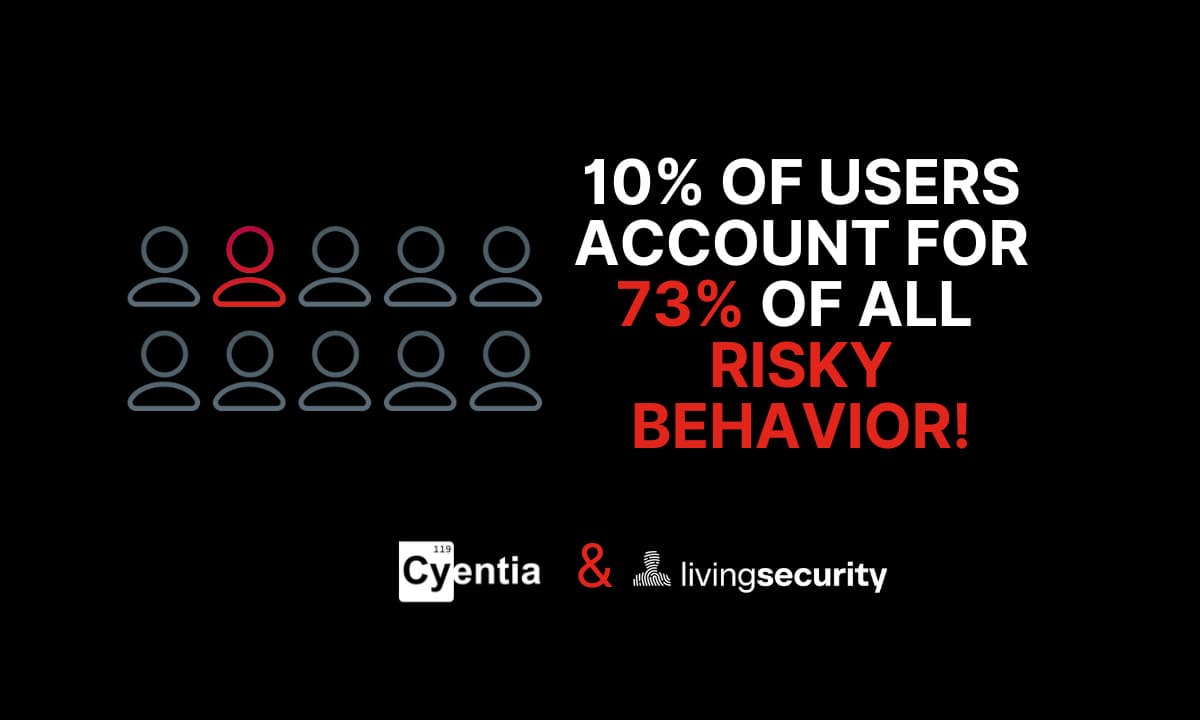
New Report Reveals 10% of Employees Drive 73% of Cyber Risks: Implications and Strategies for Mitigation
A recent report published on July 22, 2025, in Austin, Texas, reveals a striking statistic: only 10% of employees are responsible for 73% of cyber risks within organizations. This finding underscores the critical need for targeted cybersecurity measures to mitigate risks effectively. The report highlights the concentration of cybersecurity threats among a minority of employees, suggesting that addressing the behaviors and practices of this small group could significantly enhance overall security.
Cyber risks encompass a wide range of threats, including phishing attacks, poor password management, unauthorized access, and insider threats. The fact that a small percentage of employees accounts for the majority of these risks indicates that these individuals may be more vulnerable to attacks or may have access to more sensitive information. This concentration of risk presents an opportunity for organizations to focus their cybersecurity efforts more efficiently.
The technical implications of this finding are significant. By identifying and targeting the 10% of employees who contribute to 73% of cyber risks, organizations can implement more focused and effective security measures. This could include targeted training programs to improve cybersecurity hygiene, stricter access controls to limit exposure to sensitive data, and enhanced monitoring to detect and respond to threats more quickly.
The impact on the cybersecurity landscape could be profound. Organizations that can effectively manage the risks posed by this high-risk group could see a substantial reduction in their overall cyber risk profile. This approach allows for more efficient allocation of cybersecurity resources, ensuring that efforts are concentrated where they are most needed. Additionally, it could lead to a more robust security posture, as addressing the root causes of the majority of risks can prevent a wide range of potential threats.
From an expert perspective, several strategies can be employed to mitigate the risks associated with these high-risk employees. First, targeted cybersecurity training and awareness programs can help educate these individuals about best practices and the importance of maintaining good cybersecurity hygiene. Second, implementing the principle of least privilege can limit the potential damage caused by any security incidents involving these employees. Third, continuous monitoring and anomaly detection systems can help identify and respond to suspicious activities more effectively.
In conclusion, the report's findings highlight the importance of a targeted approach to cybersecurity. By focusing on the 10% of employees who contribute to the majority of cyber risks, organizations can significantly improve their security posture. This approach not only enhances overall security but also allows for more efficient use of cybersecurity resources. As cybersecurity professionals, it is crucial to leverage such insights to develop more effective and targeted security strategies.