
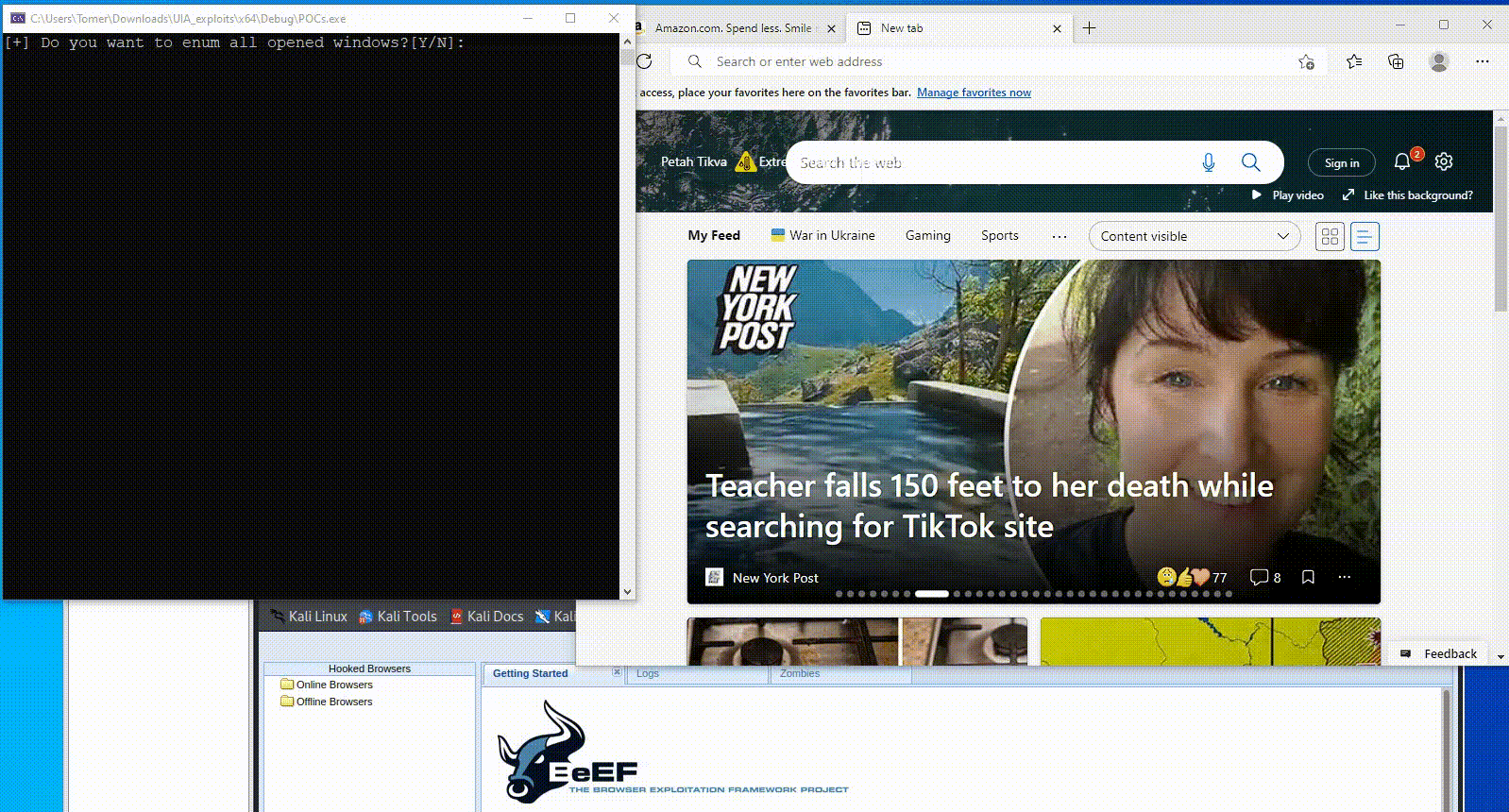
Coyote Malware Exploits Windows UI Automation to Steal Banking Credentials
The Coyote malware represents a significant development in the cybercrime landscape, particularly in its exploitation of the Windows UI Automation (UIA) framework. This malware, which targets Brazilian users of 75 banks and cryptocurrency platforms, is notable for being the first in-the-wild malware to abuse UIA for credential theft. UIA is a Microsoft framework designed for accessibility and automated testing, allowing programs to interact with the user interface of other applications. Coyote's use of this framework underscores the ongoing trend of attackers leveraging legitimate tools for malicious purposes.
Technically, Coyote's exploitation of UIA is concerning because it allows the malware to interact with user interfaces in a way that may evade traditional detection methods. Unlike keyloggers or screen scrapers, which can be detected through signature-based methods or anomalous behavior, UIA-based attacks can mimic legitimate user interactions, making them harder to detect. This technique could potentially bypass security measures that rely on detecting unusual input patterns or screen capture activities.
The impact on the cybersecurity landscape is substantial. Coyote's emergence confirms earlier warnings from Akamai researchers in December 2024, highlighting the need for proactive threat intelligence. This development suggests that attackers are continually innovating, finding new ways to exploit built-in system functionalities. For cybersecurity professionals, this means that defensive strategies must evolve to account for such techniques. Monitoring and restricting the use of powerful frameworks like UIA could be crucial in preventing similar attacks.
From an expert perspective, Coyote's use of UIA serves as a reminder of the importance of defense-in-depth strategies. Organizations should consider implementing behavioral analysis and anomaly detection to identify unusual UI interactions. Additionally, restricting the use of UIA to trusted applications and monitoring its usage could help mitigate the risk posed by this and similar malware. It's also essential for cybersecurity professionals to stay informed about emerging threats and adapt their strategies accordingly.
In conclusion, Coyote malware's exploitation of Windows UI Automation marks a notable shift in attack techniques, emphasizing the need for advanced detection methods and proactive defense strategies in the ever-evolving cybersecurity landscape.