
PoisonSeed Attack Exploits FIDO2 QR Code Authentication to Bypass Security
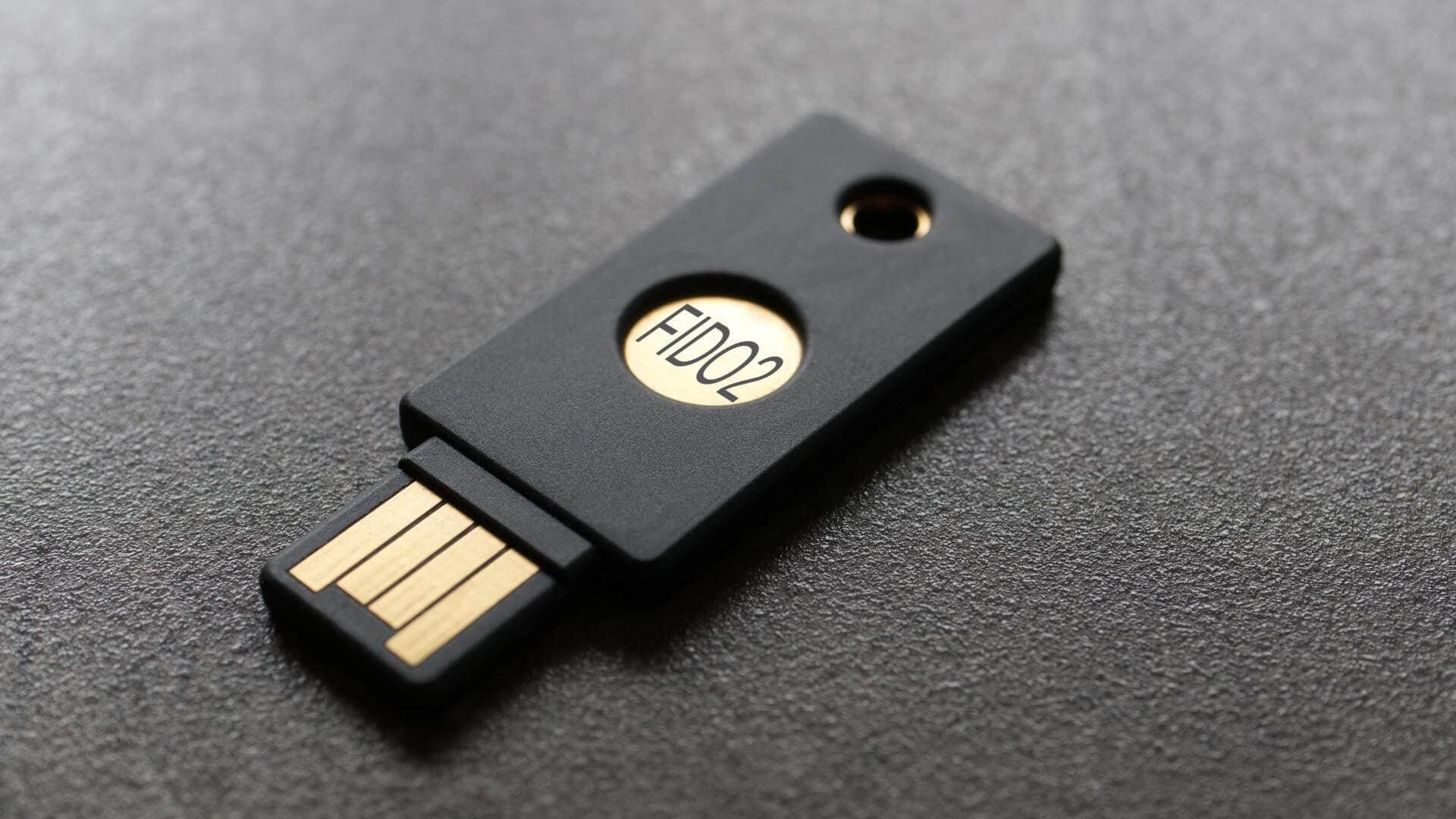
A newly identified attack technique, named PoisonSeed, exploits a legitimate feature of FIDO2 keys to circumvent their robust security protections. FIDO2 keys, which are widely adopted for secure and passwordless authentication, utilize public-key cryptography to safeguard user accounts. However, PoisonSeed capitalizes on the cross-device access mechanism facilitated by QR codes, a feature designed to enhance user convenience.
The attack initiates through social engineering, where users are deceived into scanning a malicious QR code. This action enables attackers to gain unauthorized access to the user's account, effectively bypassing the security measures provided by the FIDO2 key. Importantly, the attack does not compromise the cryptographic integrity of the FIDO2 key itself but instead manipulates the user into performing an action that results in unauthorized access.
From a technical standpoint, PoisonSeed exploits the inherent trust in QR code-based authentication flows. By tricking users into scanning a malicious QR code, attackers can hijack the authentication process, thereby bypassing the security guarantees offered by FIDO2 keys. This attack underscores the critical need to secure all facets of the authentication process, including user interaction points that may be susceptible to manipulation.
The cybersecurity implications of PoisonSeed are profound. FIDO2 keys are extensively used due to their strong security properties, and their compromise via such an attack could lead to an uptick in account takeover incidents. Furthermore, the success of PoisonSeed could undermine confidence in passwordless authentication methods, which are increasingly viewed as a secure alternative to traditional passwords.
To mitigate the risks posed by PoisonSeed, organizations and users must exercise caution when scanning QR codes. The referenced article provides technical details and defense measures that should be reviewed for specific mitigation strategies. Generally, users should be wary of unsolicited QR codes and verify their legitimacy before scanning. Organizations should consider implementing additional safeguards in their authentication workflows to prevent unauthorized access via QR codes.
In conclusion, the PoisonSeed attack highlights the persistent challenge of social engineering in cybersecurity. Even advanced security measures like FIDO2 keys can be bypassed through manipulation of user interactions. Cybersecurity professionals must remain vigilant and ensure that their authentication processes are designed with security in mind at every step. This incident serves as a reminder of the importance of user education and awareness in maintaining robust security postures.