
Arizona Woman Sentenced for Aiding North Korean IT Job Fraud Scheme: A Deep Dive into the Cybersecurity Implications
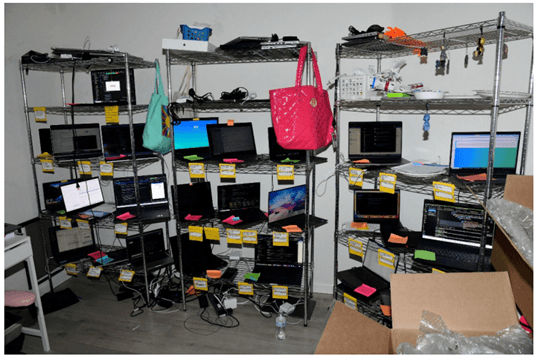
Christina Marie Chapman, a 50-year-old woman from Arizona, has been sentenced to 102 months in prison for her role in aiding North Korean threat actors in infiltrating 309 American companies through fake IT job postings. This case highlights the sophisticated use of social engineering and identity theft by nation-state actors to gain unauthorized access to sensitive systems.
The technical implications of this operation are significant. The use of fake IT job postings to infiltrate companies underscores the vulnerabilities in current hiring and identity verification processes. The attackers exploited the trust placed in IT professionals to gain access to company systems, potentially compromising the entire supply chain of these organizations.
The impact on the cybersecurity landscape is profound. This incident underscores the growing threat of nation-state actors using non-traditional methods to infiltrate organizations. It highlights the need for robust identity verification processes and heightened awareness of social engineering tactics.
From a cybersecurity perspective, this case serves as a wake-up call for organizations to enhance their identity verification processes, monitor unusual activity, and conduct regular training sessions on social engineering and phishing attacks. Organizations should review and strengthen their hiring processes, implement multi-factor authentication (MFA), and conduct regular security audits and penetration testing to identify vulnerabilities.
In conclusion, this case is a stark reminder of the evolving tactics used by threat actors and the importance of robust cybersecurity measures to mitigate such risks.