
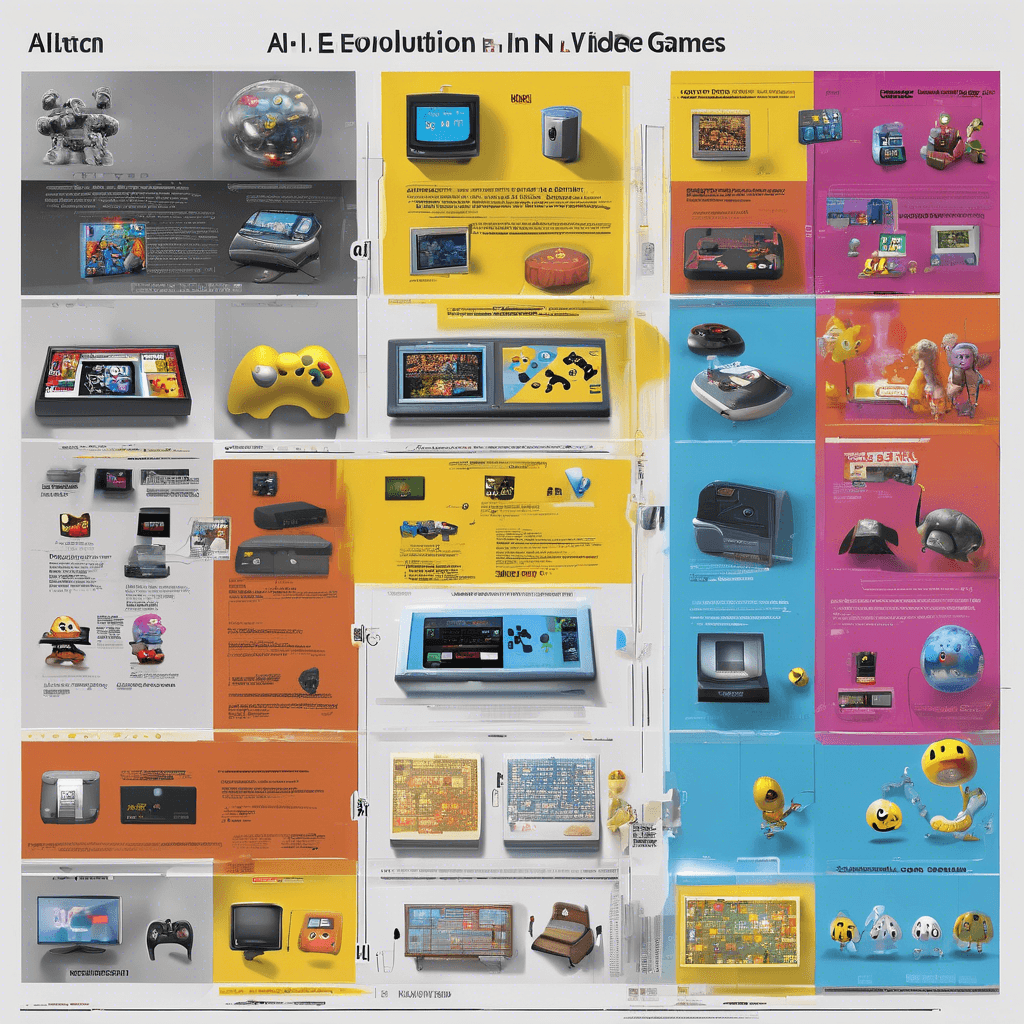
The Evolution of AI in Video Games: From Pac-Man Ghosts to Self-Aware Characters
The use of artificial intelligence (AI) in video games dates back to the 1980s, with early implementations seen in classic games like Pac-Man. These initial AI systems were relatively simple, with characters like the ghosts in Pac-Man following predictable patterns based on basic algorithms. However, the landscape of AI in video games has evolved significantly since then. Modern games now feature digital characters that demonstrate complex behaviors, including self-awareness, which are vastly different from their predecessors.
The evolution of AI in video games can be attributed to advancements in technology and the development of more sophisticated algorithms. Early AI in games was typically rule-based, with characters following predetermined paths or reacting to player actions in a scripted manner. These systems were limited in their ability to adapt or learn from player behavior.
In contrast, contemporary AI in video games leverages machine learning, neural networks, and other advanced techniques to create characters that can learn, adapt, and exhibit behaviors that mimic human-like decision-making. This shift has profound implications for game design and player experiences. For instance, more sophisticated AI can lead to more immersive and challenging gameplay, as characters can respond dynamically to player actions, creating a more engaging and unpredictable experience.
Moreover, advanced AI in games opens up new possibilities for storytelling and character development. Characters with self-aware behaviors can contribute to richer narratives and more complex interactions within the game world. This can enhance the overall gaming experience, making it more realistic and emotionally engaging for players.
From a cybersecurity perspective, the integration of advanced AI in video games introduces new considerations. As AI systems become more complex, they may require access to large amounts of data for training and operation. This raises concerns about data privacy and security, particularly if games are collecting and processing player data. Game developers must ensure that these AI systems are designed with robust security measures to protect player data from unauthorized access or breaches.
Additionally, the increased complexity of AI systems in games could introduce new vulnerabilities or attack surfaces. Cybersecurity professionals need to be aware of these potential risks and work closely with game developers to mitigate them. For example, AI-powered cheats or bots could be developed to exploit vulnerabilities in game AI systems, leading to unfair advantages or disruptive behaviors in online multiplayer environments.
Expert insights suggest that the development of advanced AI for games involves several challenges. One key challenge is ensuring that the AI behaves in a way that is fun and engaging for players while also being fair and not exploitable. Developers must strike a balance between creating challenging AI opponents and ensuring that the game remains enjoyable and not frustratingly difficult.
Ethical considerations also come into play with advanced AI in games. Developers must ensure that AI characters do not exhibit harmful behaviors or promote negative stereotypes. This requires careful design and testing of AI behaviors to align with ethical guidelines and community standards.
In terms of actionable intelligence, game developers and cybersecurity professionals should collaborate to ensure that advanced AI systems in games are secure and do not pose risks to players' data or privacy. This collaboration can involve implementing robust security measures, conducting regular security audits, and staying informed about emerging threats and vulnerabilities related to AI in games.
Furthermore, developers should consider the potential for AI to be used maliciously in games. This includes monitoring for AI-powered cheats or bots and implementing measures to detect and prevent their use. By staying proactive and vigilant, developers and cybersecurity professionals can help ensure that the integration of advanced AI in video games enhances the gaming experience without compromising security or ethical standards.