
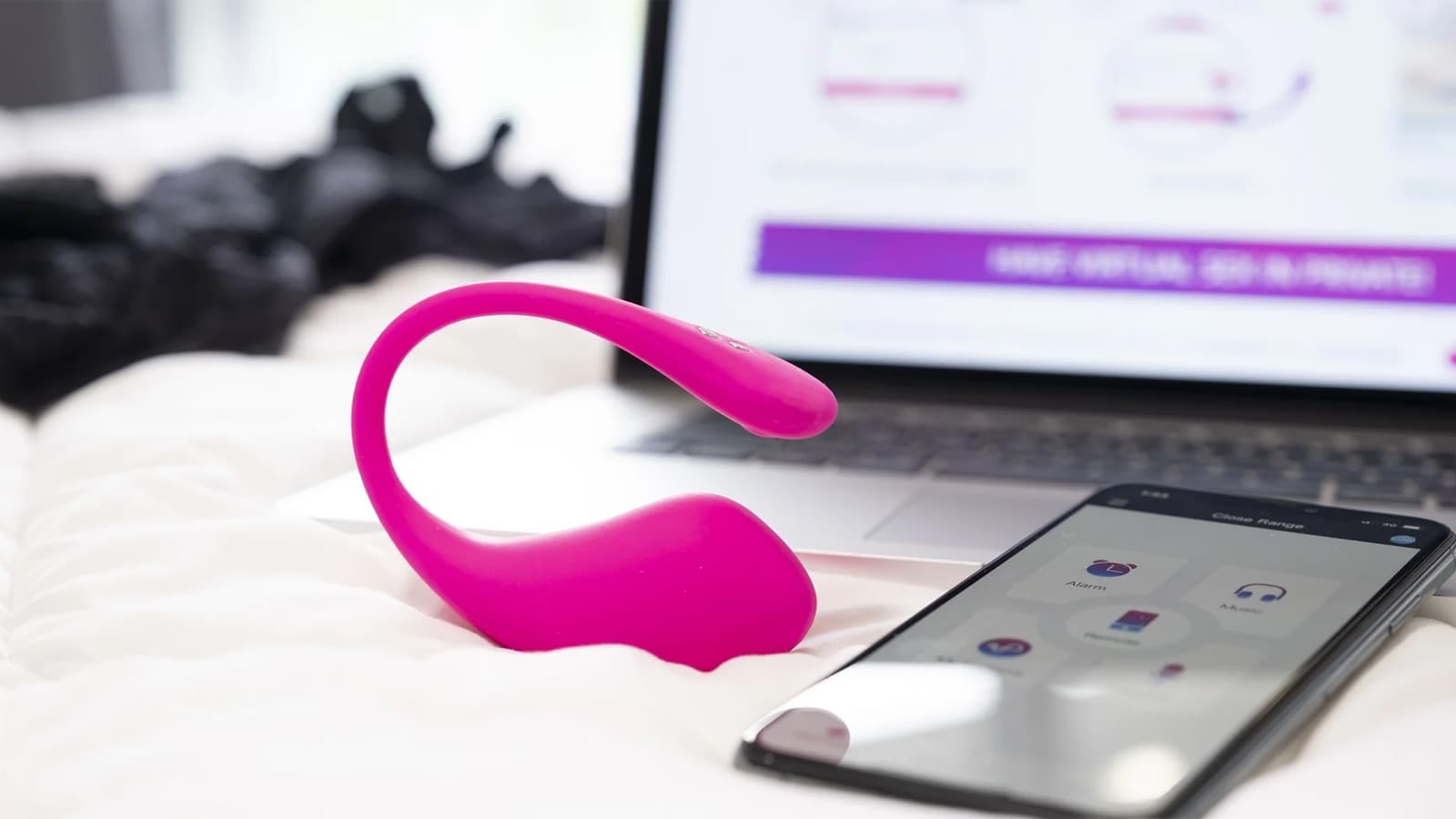
Lovense Zero-Day Flaw Exposes Users to Doxxing Risks
The article from BleepingComputer reveals a critical zero-day vulnerability in the Lovense platform, which allows attackers to retrieve a user's email address by simply knowing their username. This vulnerability poses significant privacy risks, including doxxing and harassment. Technically, this is an information disclosure flaw, likely stemming from inadequate access controls or improper data handling in the platform's backend or API. The fact that it's a zero-day means that Lovense was unaware of this issue until it was discovered by a third party, leaving users exposed until a patch is released. The implications of this vulnerability are severe. Email addresses can often be tied to real-world identities, making users vulnerable to doxxing—a malicious act where private information is publicly exposed. This can lead to harassment, blackmail, or other forms of abuse. For users of connected sex toys, the privacy implications are particularly sensitive, as the nature of the device itself is highly personal. This incident underscores the broader challenges in IoT security. Many connected devices, especially those in the adult industry, often lack robust security measures. This vulnerability serves as a stark reminder of the importance of privacy-by-design principles, where user data is protected by default and not exposed through simple queries. For cybersecurity professionals, this case highlights the need for rigorous security testing and access control mechanisms. It also emphasizes the importance of educating users about the risks associated with IoT devices and the steps they can take to protect their privacy, such as using unique, non-identifiable usernames and email addresses. In response to this vulnerability, Lovense should prioritize patching the flaw and conducting a comprehensive security audit to identify and remediate similar issues. Users should be vigilant and consider mitigating steps, such as reviewing their account information and ensuring that their usernames and email addresses do not reveal personal details. The broader cybersecurity landscape must take note of such incidents to push for stronger regulations and standards in IoT security, particularly for devices handling sensitive user data. This case also serves as a reminder for security professionals to advocate for better privacy protections and to incorporate these considerations into their security assessments and recommendations.