
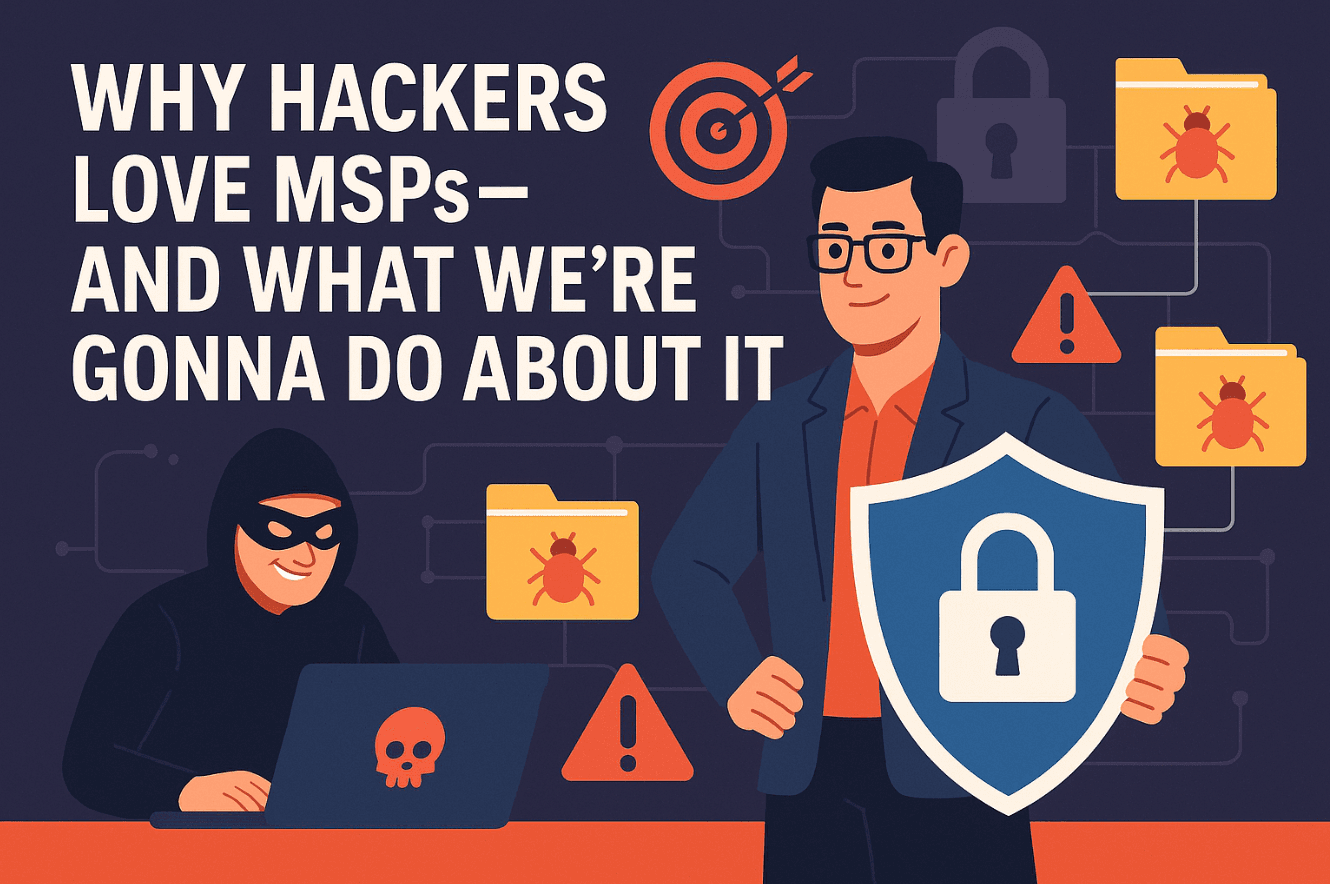
Why Cybercriminals Target MSPs and How to Mitigate the Threat
Managed Service Providers (MSPs) are increasingly becoming prime targets for cybercriminals due to their centralized access to multiple business networks. This trend underscores the critical need for robust cybersecurity measures within MSPs to protect both their infrastructure and their clients' data.
MSPs offer a lucrative attack vector for cybercriminals because breaching a single MSP can provide access to numerous client networks. This centralized access makes MSPs attractive targets for large-scale cyber attacks, including ransomware and data breaches. The technical implications of such attacks are significant, as they can lead to widespread data exfiltration, service disruptions, and financial losses across multiple organizations.
To mitigate these risks, cybersecurity professionals recommend implementing layered defenses. These defenses should include advanced threat detection systems, robust identity and access management (IAM) solutions, and continuous monitoring of network activities. Additionally, adopting a zero-trust security model can help ensure that access to critical systems is strictly controlled and verified.
The impact on the cybersecurity landscape is profound. MSPs must prioritize their security posture to prevent becoming unwitting accomplices in cyber attacks. Clients of MSPs should also be vigilant, ensuring their providers adhere to stringent security standards and best practices. Regular security audits, mandatory multi-factor authentication (MFA) for all remote access, and comprehensive security training for MSP staff are essential steps in fortifying defenses against these threats.
In conclusion, the growing targeting of MSPs by cybercriminals highlights the need for enhanced security measures. By adopting intelligent layered defenses and maintaining a proactive security stance, MSPs can significantly reduce their vulnerability to attacks and protect their clients' critical assets.