
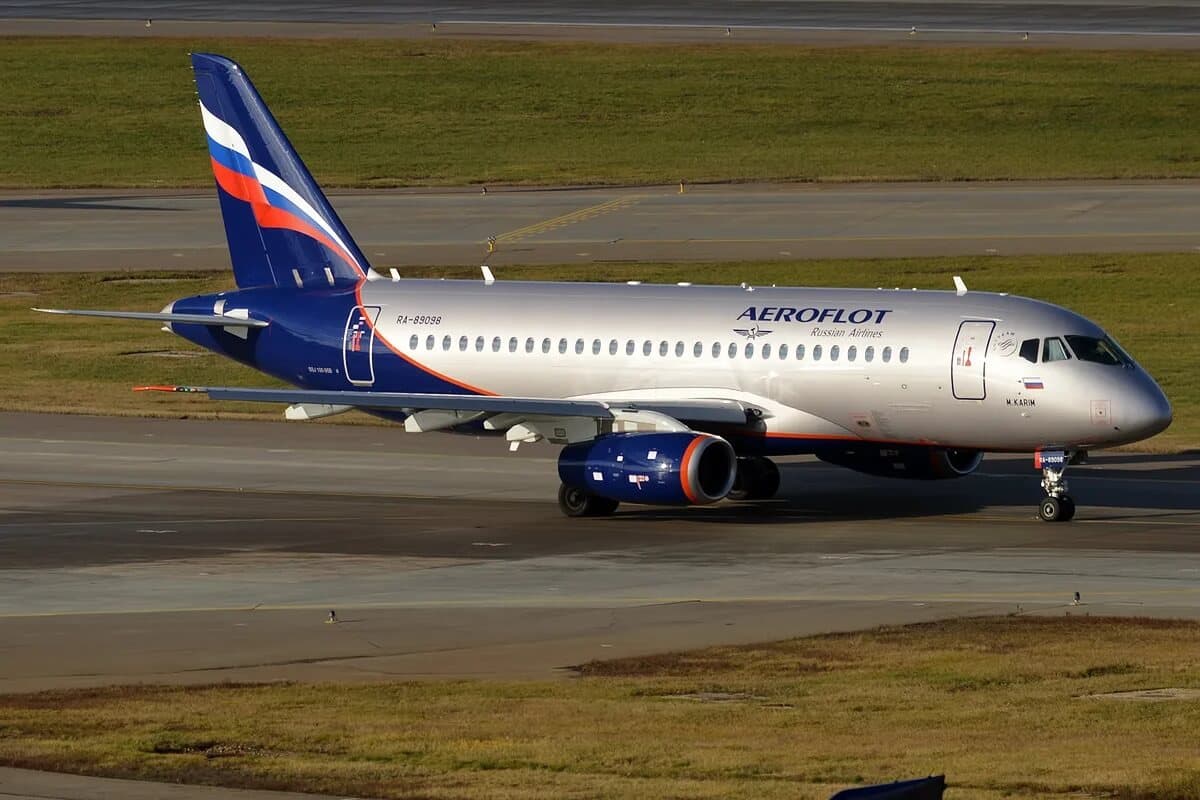
Pro-Ukrainian Cyber Attack on Aeroflot: A Turning Point in Hybrid Warfare
A recent cyber attack targeting the Russian airline Aeroflot, allegedly carried out by pro-Ukrainian groups Silent Crow and Cyberpartisans BY, marks a significant development in the realm of hybrid warfare. This attack, which was orchestrated over the course of a year, employed social engineering techniques to exploit human vulnerabilities, underscoring the critical role of the human factor in cybersecurity. The attack on Aeroflot, a major Russian airline, highlights the potential for cyber operations to disrupt critical infrastructure and services. Given the prolonged duration of the attack, it is likely that the threat actors conducted extensive reconnaissance and planning, possibly involving multiple stages of compromise and lateral movement within the organization's network. The use of social engineering techniques is particularly noteworthy. By manipulating individuals into divulging sensitive information or granting access, the attackers were able to bypass technical defenses. This underscores the importance of comprehensive security training and awareness programs to mitigate the risk of such attacks. In the broader context of the Russia-Ukraine conflict, this attack can be seen as part of a larger strategy of hybrid warfare, which combines conventional military tactics with unconventional methods such as cyber attacks. The involvement of organized groups like Silent Crow and Cyberpartisans BY suggests a coordinated effort with specific political motivations. For cybersecurity professionals, this incident serves as a stark reminder of the evolving threat landscape. It highlights the need for robust technical defenses coupled with human-centric security measures. Regular training, phishing simulations, and awareness campaigns are essential to mitigate the risk of social engineering attacks. Moreover, this attack underscores the growing trend of state-affiliated or politically motivated cyber attacks targeting critical infrastructure and major corporations. As such, organizations must remain vigilant and proactive in their cybersecurity efforts, particularly in sectors that are potential targets for geopolitically motivated cyber operations. In conclusion, the cyber attack on Aeroflot by pro-Ukrainian groups represents a significant development in the ongoing cyber warfare between Russia and Ukraine. It highlights the importance of addressing human factors in cybersecurity and serves as a reminder of the evolving and sophisticated nature of modern cyber threats.