
FBI Seizes 20 Bitcoins from Chaos Ransomware Affiliate in Texas
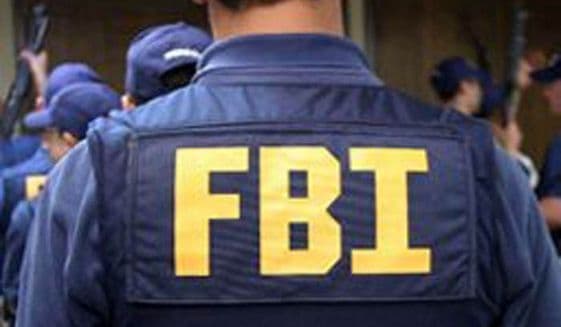
On April 15, 2025, the FBI's Dallas office seized 20 Bitcoins from a wallet belonging to an affiliate of the Chaos ransomware group, known as "Hors." This affiliate is responsible for multiple cyberattacks targeting companies in Texas. The Chaos ransomware is notorious for its devastating impact on business IT systems, encrypting files and demanding ransom payments in cryptocurrency. The seizure of 20 Bitcoins highlights the FBI's capability to track and disrupt ransomware operations by following the financial trails on the blockchain. This action demonstrates law enforcement's growing proficiency in tracing cryptocurrency transactions, which are often used by cybercriminals due to their pseudo-anonymity. The ability to seize these funds sends a strong message to ransomware operators that their illicit gains are not beyond the reach of law enforcement. From a technical standpoint, this operation underscores the importance of blockchain analysis in cybersecurity investigations. By tracing Bitcoin transactions, the FBI can identify and disrupt the financial infrastructure supporting ransomware attacks. This capability is crucial in the ongoing fight against cybercrime, as it disrupts the financial incentives driving ransomware attacks. The impact on the cybersecurity landscape is significant. This seizure not only disrupts the operations of the Chaos ransomware group but also serves as a deterrent to other cybercriminals. It highlights the effectiveness of collaborative efforts between cybersecurity professionals and law enforcement agencies in combating ransomware. For cybersecurity professionals, this event emphasizes the need for robust defense mechanisms against ransomware attacks. It also highlights the importance of continuous monitoring and analysis of blockchain transactions to identify and mitigate threats. The technical implications of this seizure are multifaceted. Firstly, it showcases the FBI's ability to trace Bitcoin transactions through the blockchain, a task that requires sophisticated analytical tools and techniques. This capability is essential in disrupting the financial flows that sustain ransomware operations. Secondly, the seizure highlights the evolving tactics of ransomware groups. As law enforcement becomes more adept at tracing cryptocurrency transactions, ransomware operators may shift to other cryptocurrencies or methods that offer greater anonymity. This cat-and-mouse game necessitates continuous innovation in cybersecurity practices and tools. The broader impact on the cybersecurity landscape includes heightened awareness among businesses about the risks of ransomware attacks. It also underscores the importance of proactive measures such as regular data backups, robust endpoint protection, and employee training to recognize and mitigate phishing attempts, which are often the initial vectors for ransomware infections. Moreover, this event serves as a reminder of the global nature of cybercrime. Ransomware groups often operate across international borders, making coordination between law enforcement agencies worldwide crucial for effective disruption of these criminal enterprises. In terms of expert insights, this seizure is a testament to the effectiveness of public-private partnerships in cybersecurity. Collaboration between law enforcement agencies and private sector cybersecurity firms is essential for tracking and mitigating cyber threats. Additionally, it highlights the need for continuous investment in cybersecurity research and development to stay ahead of evolving threats. In conclusion, the seizure of 20 Bitcoins from a Chaos ransomware affiliate by the FBI is a notable achievement in the fight against cybercrime. It demonstrates the effectiveness of law enforcement in tracing and seizing illicit cryptocurrency transactions, and it underscores the importance of blockchain analysis in cybersecurity investigations.