
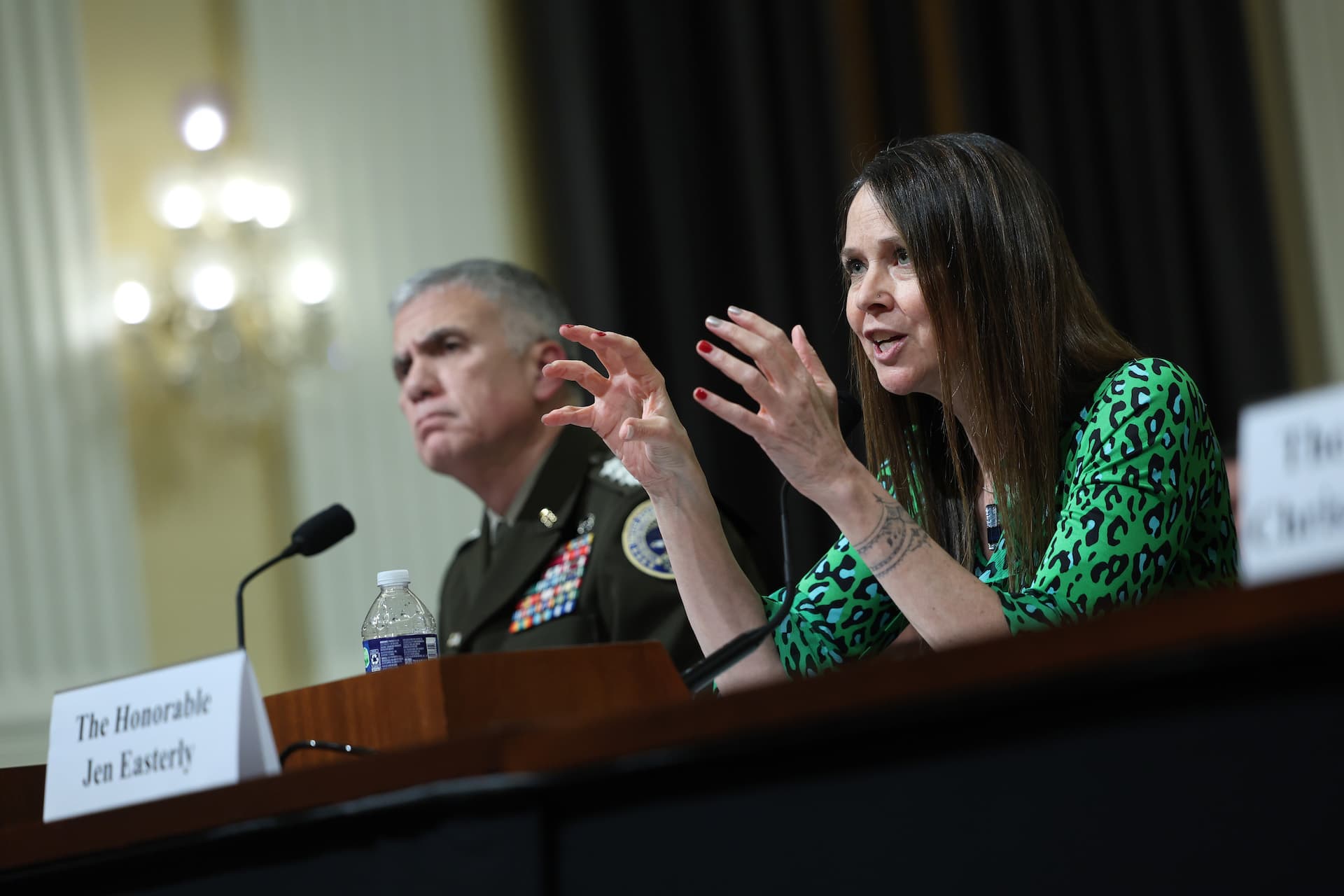
Jen Easterly's West Point Appointment Withdrawn: Implications for Cybersecurity Education and Policy
The recent withdrawal of the offer made to Jen Easterly, former director of the Cybersecurity and Infrastructure Security Agency (CISA), to join the Department of Social Sciences at the United States Military Academy at West Point has significant implications for the cybersecurity landscape. The initial announcement on Tuesday was followed by a swift withdrawal on Wednesday, raising questions about the underlying reasons and potential impacts. Jen Easterly's extensive experience in cybersecurity, particularly her role at CISA, positions her as a valuable asset in both government and academic settings. Her potential appointment at West Point could have significantly enhanced the academy's cybersecurity curriculum, preparing future military leaders with advanced cybersecurity knowledge. Moreover, her insights could have influenced military cybersecurity policies, contributing to a more robust national defense strategy. The withdrawal of this offer may indicate internal conflicts or political considerations. If political reasons were at play, it could signal a shift in priorities or conflicts within the government regarding cybersecurity education and policy. Alternatively, internal disagreements or logistical issues might have led to this decision. Regardless of the reasons, the withdrawal has potential repercussions for cybersecurity education and policy within the military. From a broader perspective, Easterly's involvement in academia could have encouraged more cybersecurity professionals to engage in educational roles, thereby strengthening the cybersecurity workforce. The withdrawal of her offer might discourage such engagements, potentially impacting the overall cybersecurity landscape. In conclusion, the withdrawal of Jen Easterly's offer to join West Point is a significant event with potential implications for cybersecurity education and policy. It underscores the importance of political and internal dynamics in shaping cybersecurity initiatives and highlights the need for clarity and stability in such appointments to ensure the continuous advancement of cybersecurity capabilities within the military.