
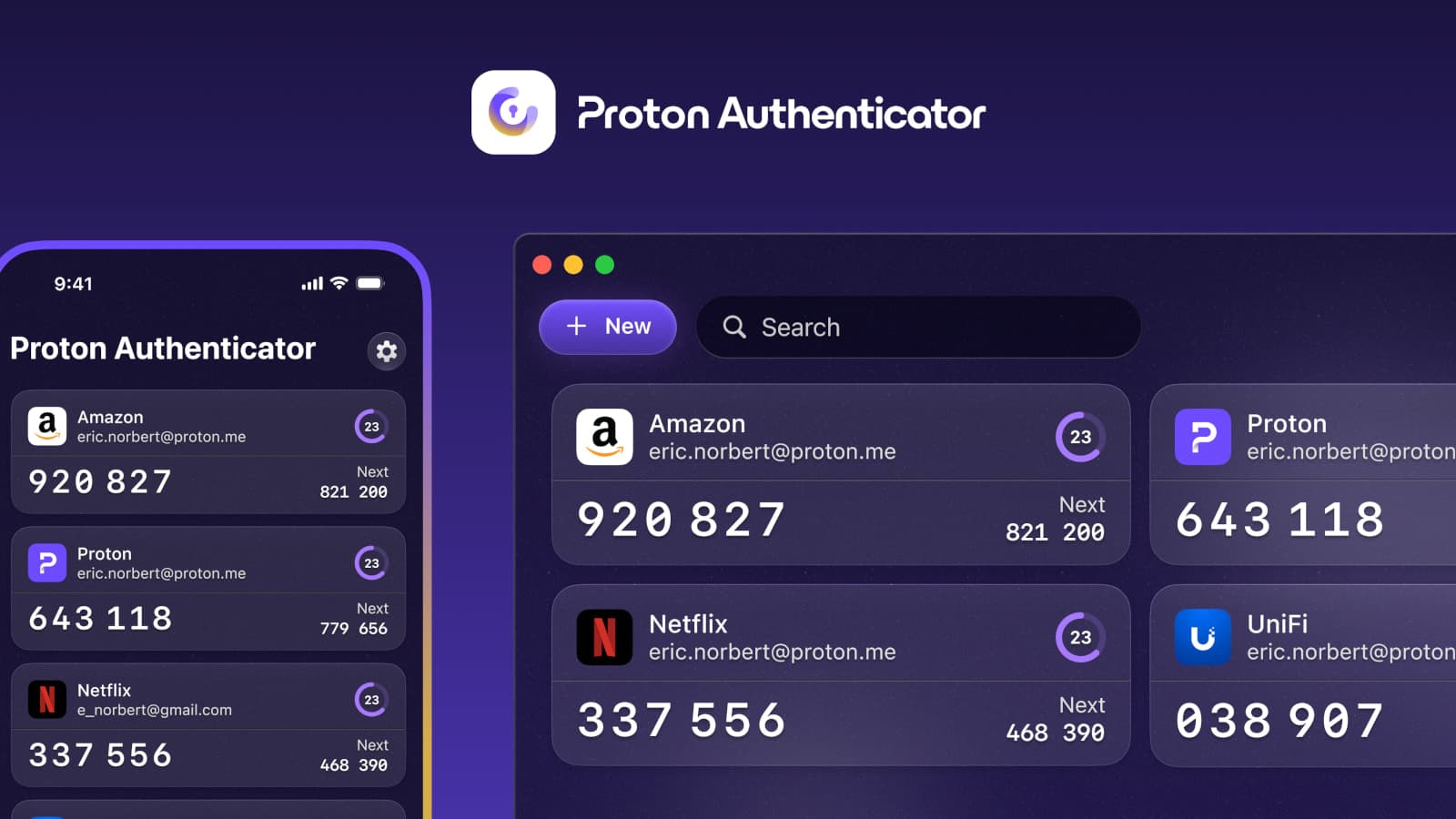
Proton Launches Free Cross-Platform 2FA App to Enhance Account Security
Two-factor authentication (2FA) is a critical security measure that adds an additional layer of protection to online accounts. By requiring a second form of verification beyond just a password, 2FA significantly reduces the risk of unauthorized access, even if passwords are compromised. Proton, known for its privacy-focused services, has launched Proton Authenticator, a free, standalone 2FA app that supports multiple platforms including Windows, macOS, Linux, Android, and iOS. This cross-platform availability makes it a flexible solution for users across different devices and operating systems. The introduction of Proton Authenticator is notable for several reasons. First, its standalone nature means it is not tied to any specific ecosystem, making it more versatile than some other 2FA solutions. Second, being free removes a common barrier to adoption, potentially increasing the overall usage of 2FA. This is particularly important given that many users still rely solely on passwords, which are often weak or reused across multiple sites. From a technical standpoint, Proton Authenticator likely supports standard protocols such as TOTP (Time-based One-Time Password), which is widely adopted by many online services. The cross-platform support also implies that users can sync their 2FA tokens across different devices, enhancing convenience and potentially increasing adoption rates. However, the effectiveness of Proton Authenticator will depend on its implementation details. For instance, does it encrypt 2FA tokens locally? Does it offer secure backup mechanisms? Does it support hardware security keys? These are critical considerations for cybersecurity professionals assessing its security posture. The launch of Proton Authenticator could have a positive impact on the cybersecurity landscape by providing another robust option for 2FA. Increased adoption of 2FA can significantly enhance account security, making it more difficult for attackers to gain unauthorized access. However, professionals should evaluate its specific security features and potential vulnerabilities before recommending it to users. In conclusion, Proton Authenticator represents a welcome addition to the suite of tools available for enhancing online security. Its cross-platform availability and free nature make it an accessible option for a wide range of users. Cybersecurity professionals should monitor its adoption and assess its security features to provide informed recommendations to their organizations or clients.