
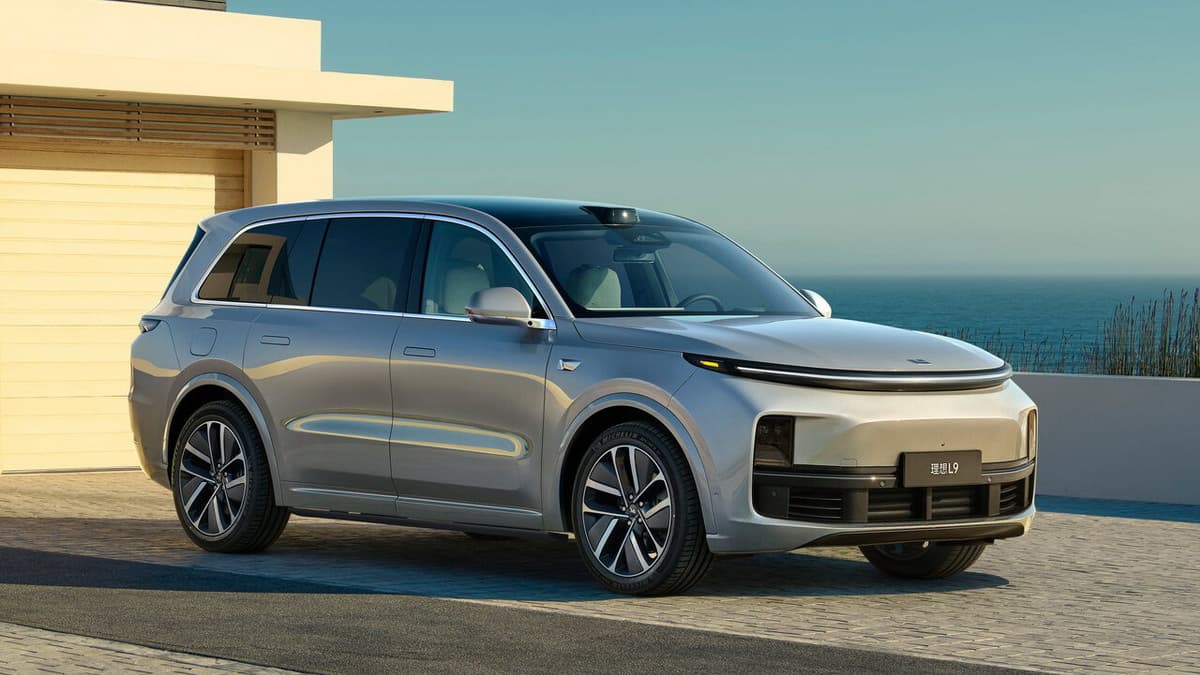
Hackers Target Li Auto Owners in Russia with Ransomware Account Takeovers
Hackers are targeting Li Auto (Lixiang) vehicle owners in Russia by compromising master accounts and demanding ransoms, according to Sergei Melyukh, director of "Avilon Electro." While specific technical details of the attack are not disclosed, the incident highlights critical vulnerabilities in connected vehicle ecosystems. Li Auto vehicles, like many modern electric vehicles, rely heavily on connected services for functionalities ranging from remote access to over-the-air updates. The compromise of master accounts suggests that attackers may exploit weak authentication mechanisms or reuse of credentials from other breaches. The ransom demands imply that attackers can lock users out of their accounts or potentially even the vehicles themselves, which could have serious safety and operational implications. This attack underscores the growing threat landscape for connected vehicles. As cars become more integrated with digital services, they present lucrative targets for cybercriminals. The incident also highlights the importance of robust authentication protocols, such as multi-factor authentication (MFA), and continuous monitoring for suspicious activities. For cybersecurity professionals, this incident serves as a reminder of the need to secure IoT devices, especially those with critical functions. Organizations should ensure that connected vehicle platforms implement strong authentication measures and educate users on recognizing phishing attempts and other social engineering tactics. In conclusion, while the technical specifics of this attack remain unclear, the incident serves as a stark reminder of the vulnerabilities inherent in connected vehicle ecosystems. Cybersecurity professionals must prioritize securing these platforms to prevent similar attacks in the future.