
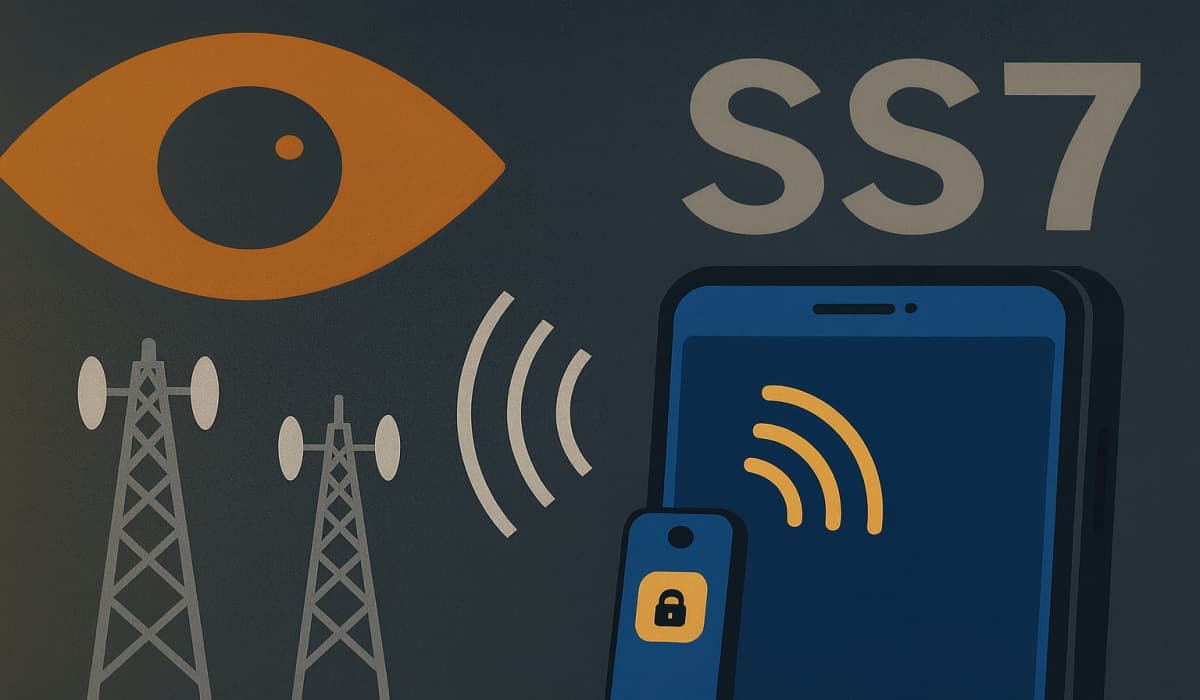
New SS7 Encoding Attack Exposes Telecom Subscriber Data to Surveillance Risks
Researchers have identified a novel SS7 encoding attack that enables a surveillance vendor to bypass security measures and access mobile subscriber data undetected. This attack exploits vulnerabilities in the Signaling System 7 (SS7) protocol, a set of telephony signaling protocols used by telecom operators to exchange information necessary for call setup and text messaging. The SS7 protocol, despite being a legacy system, remains integral to global telecom infrastructure due to its role in ensuring compatibility and fallback mechanisms. By manipulating SS7 encoding, attackers can gain unauthorized access to sensitive information, including user location and communication details. The implications of this attack are significant. SS7 vulnerabilities have been known for years, and this new attack vector underscores the ongoing risks associated with legacy systems. Telecom operators must enhance monitoring and accelerate the adoption of more secure protocols such as Diameter and SIP, which are used in 4G and 5G networks. However, transitioning away from SS7 is complex due to its deep integration into existing telecom systems. Cybersecurity professionals should prioritize comprehensive SS7 security assessments and advocate for robust encryption and authentication mechanisms within telecom networks. Additionally, there is a pressing need for international cooperation to address these vulnerabilities, as SS7 is a global protocol used by telecom operators worldwide. This attack highlights the potential threats posed by surveillance vendors and the importance of implementing robust security measures to protect subscriber data.