
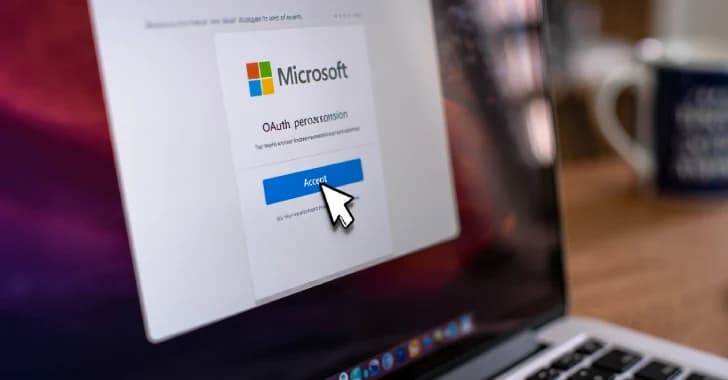
Attackers Exploit Fake Microsoft OAuth Apps to Steal Credentials and Hijack Accounts
Researchers from Proofpoint have uncovered a new wave of cyber attacks where malicious actors are leveraging fake Microsoft OAuth applications to steal credentials and take over Microsoft 365 accounts. These fraudulent apps impersonate well-known services such as RingCentral, SharePoint, Adobe, and Docusign. By exploiting the OAuth protocol, attackers trick users into granting permissions to these malicious apps, thereby gaining unauthorized access to sensitive data and resources.
The technical implications of this attack are profound. OAuth is widely trusted for its ability to facilitate secure access delegation without exposing user credentials. However, this trust is being exploited by attackers who create convincing replicas of legitimate applications. Once permissions are granted, attackers can bypass traditional security measures, making detection and mitigation more challenging.
The impact on the cybersecurity landscape is substantial. Traditional phishing detection mechanisms may not be effective against these attacks, as they do not rely on malicious links or attachments. Instead, they exploit the inherent trust in OAuth and well-known brands. This underscores the need for organizations to implement stricter policies for OAuth app approvals and to conduct regular audits of granted permissions.
From an expert perspective, this attack vector highlights the evolving tactics of malicious actors. They are increasingly targeting trusted mechanisms like OAuth to bypass security controls. Cybersecurity professionals must stay ahead by educating users about the risks of granting permissions to third-party apps and by implementing robust monitoring and auditing processes.
In conclusion, the use of fake Microsoft OAuth apps represents a sophisticated and evolving threat. Organizations must adopt a multi-layered defense strategy that includes user education, strict permission policies, and continuous monitoring to mitigate this risk effectively.