
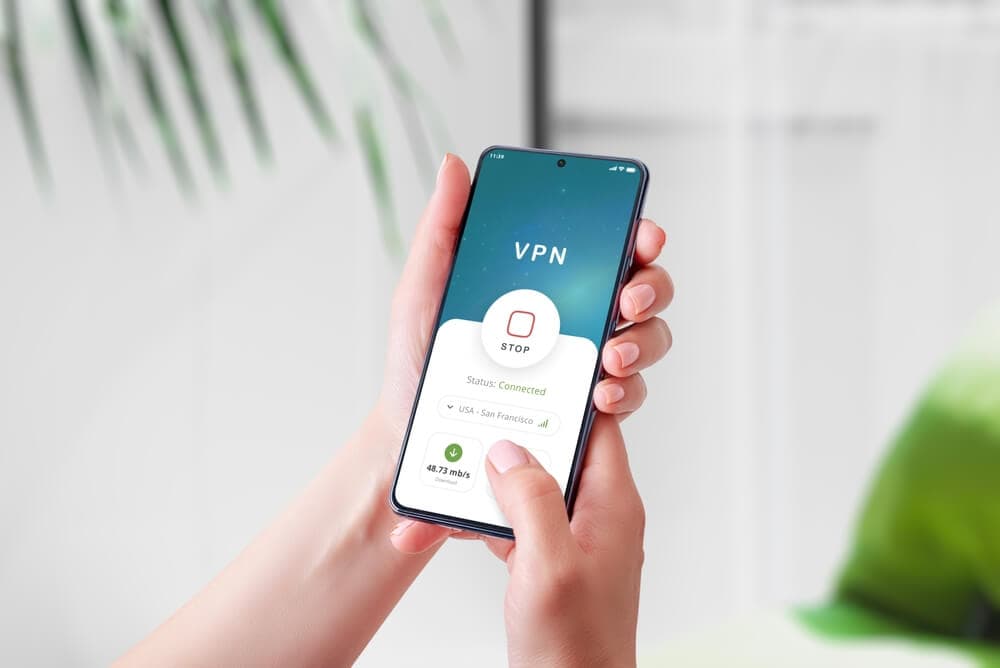
Top VPNs for Secure Torrenting: Protecting Privacy and Reducing Legal Risks
The use of Virtual Private Networks (VPNs) for torrenting is a critical measure to protect privacy and mitigate legal risks associated with downloading content. Torrenting, a peer-to-peer file-sharing method, is widely used for distributing large files but is often linked with piracy, making privacy and legal concerns paramount. VPNs address these issues by masking users' IP addresses and encrypting their internet traffic, thereby preventing ISPs and other entities from monitoring their activities.
Technically, VPNs route users' traffic through secure servers, ensuring that their online actions remain private. This is particularly important for torrenting, where users may inadvertently download copyrighted material, exposing themselves to legal repercussions. The recommended VPNs—ExpressVPN, NordVPN, and Surfshark—are noted for their robust security features, high performance, and competitive pricing. These VPNs employ strong encryption protocols to safeguard personal data and ensure secure connections during torrent downloads.
The implications of using VPNs for torrenting are significant. By encrypting traffic and hiding IP addresses, VPNs provide a layer of anonymity that is crucial for users concerned about their privacy. Additionally, VPNs help reduce the risk of legal action by making it harder for copyright trolls and law enforcement to trace illegal downloads back to individual users.
In the broader cybersecurity landscape, the use of VPNs highlights the ongoing need for tools that protect online privacy. As internet surveillance and data collection become more pervasive, VPNs serve as a vital defense mechanism. They are particularly relevant in contexts where users engage in activities that might attract legal scrutiny, such as torrenting.
From an expert perspective, while VPNs are effective in enhancing privacy, they do not legalize illegal activities. Users must remain aware of their local laws regarding torrenting and copyright infringement. It's also essential to choose a VPN provider with a strict no-logs policy to ensure that even the VPN provider cannot disclose user activities.
In conclusion, using a VPN for torrenting is a practical approach to safeguarding privacy and reducing legal risks. The recommended VPNs offer a balance of security, performance, and affordability, making them suitable choices for users engaged in torrenting activities. However, users must remain cognizant of the legal implications of their actions and choose VPN providers that prioritize user privacy.