
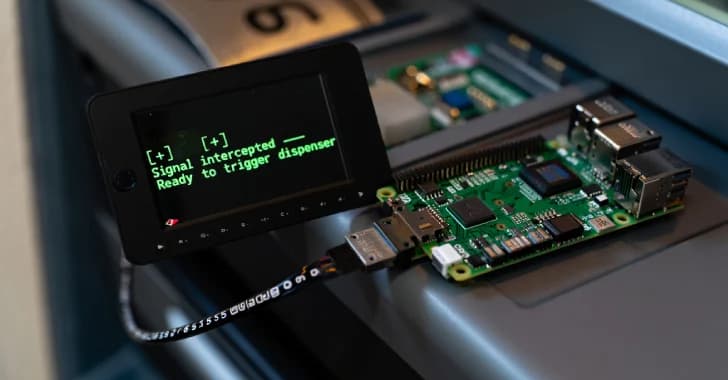
UNC2891 Cybercriminal Group Exploits ATMs via Raspberry Pi and 4G Connectivity
The cybercriminal group UNC2891 has been targeting ATM infrastructures using a sophisticated blend of physical and cyber tactics. The attackers have been installing Raspberry Pi devices equipped with 4G connectivity on the same network switch as the ATM, gaining covert access to the network. This method allows them to intercept, monitor, or manipulate data remotely, adding a layer of complexity to the attack and making it harder to detect and mitigate. The use of a rootkit named CAKETAP indicates that the attackers are attempting to maintain persistent access and evade detection. Rootkits are particularly insidious as they can hide malicious activities and allow attackers to carry out fraudulent transactions, steal sensitive data, or disable security measures. The implications of this attack are significant for the cybersecurity landscape. The blend of physical and cyber tactics demonstrates a high level of sophistication and poses a considerable challenge to traditional defense mechanisms. Financial institutions must enhance both their physical security measures and network monitoring capabilities to detect and prevent such attacks. Technically, organizations should consider implementing network segmentation to isolate ATMs from other critical systems. Regular security audits, including physical inspections of network hardware, are crucial to detect unauthorized devices like the Raspberry Pi. Additionally, endpoint detection and response (EDR) solutions can help identify and mitigate rootkit infections. This attack underscores the importance of a multi-layered security approach that addresses both physical and cyber threats. Cybersecurity professionals should remain vigilant and proactive in their defense strategies to mitigate such sophisticated attacks.