
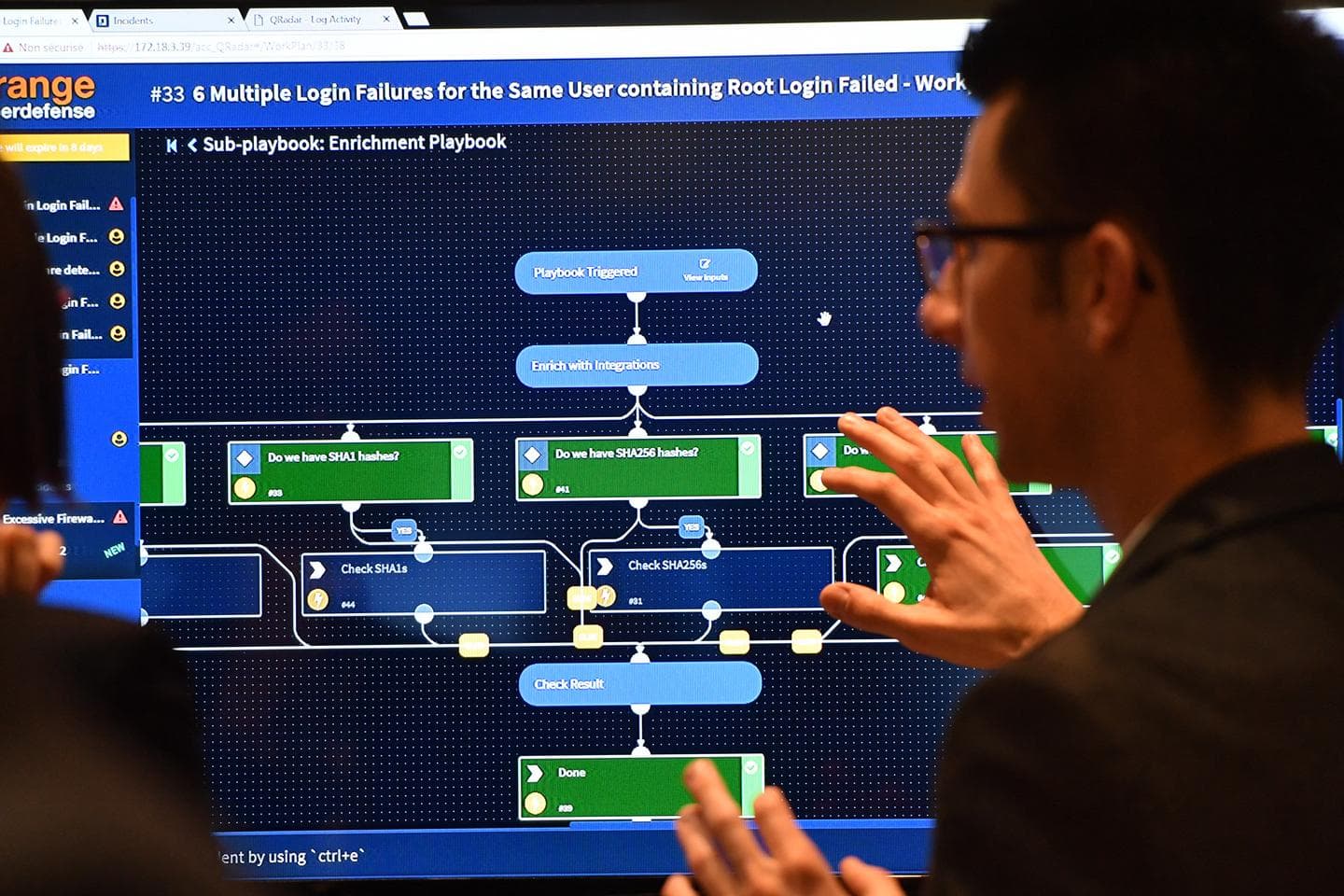
Orange Cyberdefense's Advanced Threat Monitoring: A Deep Dive into Real-Time Cybersecurity Operations
Orange Cyberdefense, the cybersecurity subsidiary of telecom giant Orange, operates a state-of-the-art security operations center (SOC) dedicated to tracking and neutralizing cyber threats targeting enterprises and government agencies. The SOC's primary function is to monitor and analyze threats in real-time, enabling proactive detection and mitigation of cyberattacks before they inflict significant damage. This capability is particularly crucial for protecting critical infrastructure, which is often targeted by advanced persistent threats (APTs) and other sophisticated attackers. The SOC employs advanced technologies such as Security Information and Event Management (SIEM) systems, intrusion detection/prevention systems (IDS/IPS), and potentially artificial intelligence (AI) and machine learning (ML) for anomaly detection. These technologies allow the SOC to detect and neutralize threats swiftly, minimizing the risk of data breaches and service disruptions. The real-time monitoring capability ensures that threats are identified and addressed promptly, reducing the window of opportunity for attackers to exploit vulnerabilities. The impact of such a dedicated and well-equipped SOC on the cybersecurity landscape is substantial. It highlights the importance of proactive threat hunting and real-time monitoring in defending against increasingly sophisticated cyber threats. This approach is essential for safeguarding critical infrastructure, which plays a vital role in national security and public safety. The SOC's operations demonstrate the effectiveness of continuous monitoring and advanced threat detection capabilities in enhancing an organization's security posture. From a cybersecurity professional's perspective, the work done by Orange Cyberdefense underscores the necessity of investing in similar technologies and practices. Organizations should prioritize the implementation of real-time threat monitoring and advanced detection technologies to bolster their defenses against cyber threats. Furthermore, the focus on protecting critical infrastructure emphasizes the need for robust cybersecurity measures in sectors vital to national security and public safety. In conclusion, the key takeaway for cybersecurity professionals is the critical role of real-time threat monitoring and the adoption of advanced technologies in detecting and neutralizing cyber threats effectively. By implementing similar practices and technologies, organizations can significantly enhance their ability to defend against cyber threats and protect their critical assets.