
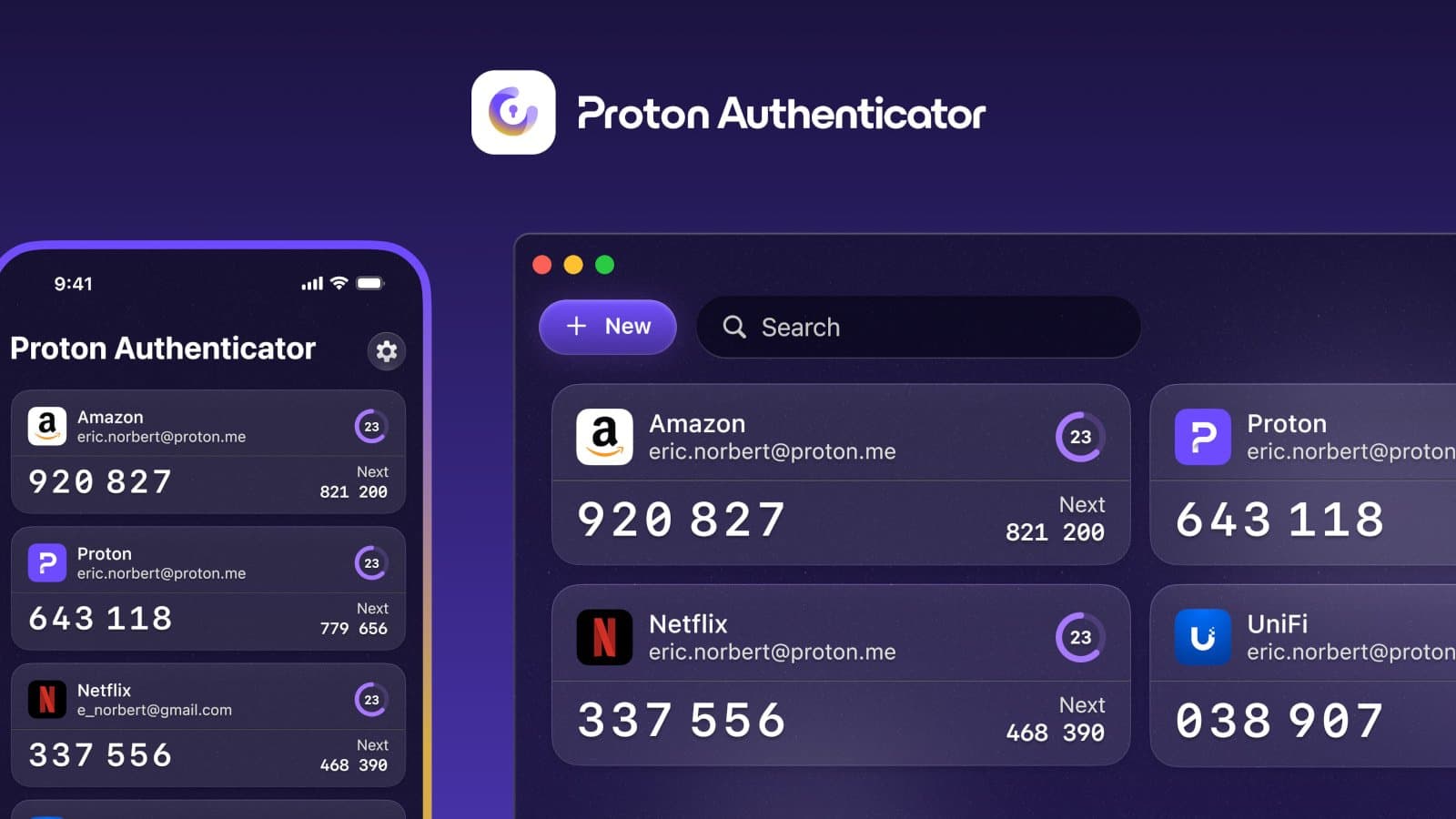
Proton Fixes Critical Authenticator Bug Exposing TOTP Secrets in Logs
Proton has addressed a significant vulnerability in its new Authenticator app for iOS, which was logging sensitive TOTP secrets in plaintext. This flaw could potentially expose users' multi-factor authentication codes if the app logs were accessed by unauthorized parties. The vulnerability allowed attackers with access to the app's logs to retrieve TOTP secrets, thereby compromising the security of user accounts. Proton has since fixed the issue, but users are strongly advised to update their app to mitigate any risks.
The technical context here is crucial. TOTP (Time-based One-Time Password) is a widely used method for two-factor authentication (2FA). The logging of these secrets in plaintext is a severe oversight, as it violates fundamental security practices. Logging sensitive data in plaintext can expose critical authentication information, leading to potential account compromises.
The impact of this vulnerability on the cybersecurity landscape is notable. If exploited, attackers could bypass the second factor of authentication, gaining unauthorized access to user accounts. This incident underscores the importance of secure logging practices. Organizations must ensure that sensitive data is never logged in plaintext and that regular security audits and penetration testing are conducted to identify and rectify such vulnerabilities.
From an expert perspective, this incident serves as a reminder that even security-focused companies can make mistakes. It highlights the necessity for continuous security assessments and the importance of keeping applications updated. Cybersecurity professionals should review their logging practices to ensure that sensitive data is adequately protected. Additionally, they should promote regular updates to patch known vulnerabilities promptly.
The article does not specify whether the vulnerability was discovered internally or reported by a third party. However, Proton's prompt response in fixing the issue demonstrates their commitment to security. For users, the key takeaway is to ensure their applications are always up-to-date to protect against known vulnerabilities.
In conclusion, while Proton has addressed the vulnerability, this incident serves as a critical reminder of the importance of secure coding practices, regular security audits, and the necessity of keeping software updated to mitigate potential risks.