
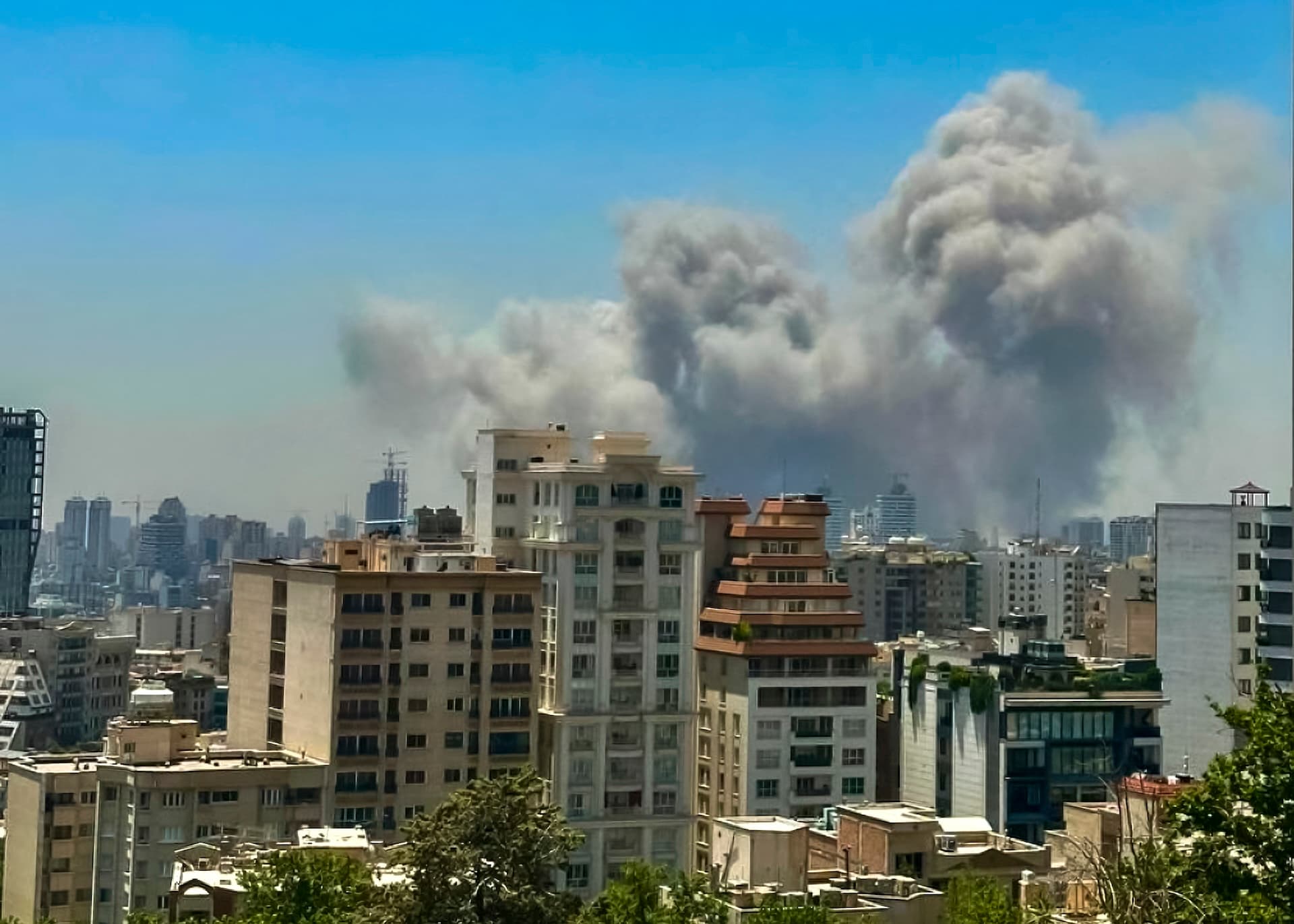
Iranian Hackers Demonstrate Strategic Coordination in 12-Day Conflict with Israel
Recent reports from SecurityScorecard and the Middle East Institute have shed light on the strategic intent and coordination behind Iranian hacking operations during a 12-day conflict with Israel. The operations, conducted by groups such as Imperial Kitten, included hacktivism activities like website defacement. These actions were more coordinated and aligned than initially perceived, indicating a higher level of planning and possibly state involvement. The technical implications of these operations are significant. Website defacement, while often considered a low-level attack, can serve as a distraction for more serious cyber intrusions. The coordination among hacking groups suggests a centralized command or shared strategic goals, which could imply state sponsorship or direction. This shift towards more organized and strategic cyber operations has profound implications for the cybersecurity landscape. From a geopolitical perspective, the conflict between Iran and Israel highlights the increasing role of cyber operations in modern warfare. The use of hacktivism as a tool for propaganda and psychological impact underscores the multifaceted nature of cyber threats in geopolitical conflicts. For cybersecurity professionals, this development underscores the need for enhanced monitoring and incident response capabilities. Organizations in the region and those potentially targeted by these groups should be particularly vigilant. The coordination among hacking groups indicates a more professional approach, which could be a tactic to mask more serious cyber operations. In conclusion, the recent activities of Iranian hackers during the conflict with Israel demonstrate a clear strategic intent and a higher level of coordination. This shift in the threat landscape necessitates a proactive and robust cybersecurity posture to mitigate potential risks. The involvement of groups like Imperial Kitten, known for their advanced persistent threat (APT) tactics, further emphasizes the need for advanced threat detection and response mechanisms. Additionally, the geopolitical tensions between Iran and Israel suggest that cyber operations will continue to play a significant role in future conflicts. Cybersecurity professionals must stay informed about the evolving tactics of state-sponsored and state-aligned hacking groups to effectively defend against these threats.