
Critical Vulnerabilities in Axis Surveillance Products Expose Thousands of Servers to Remote Exploits
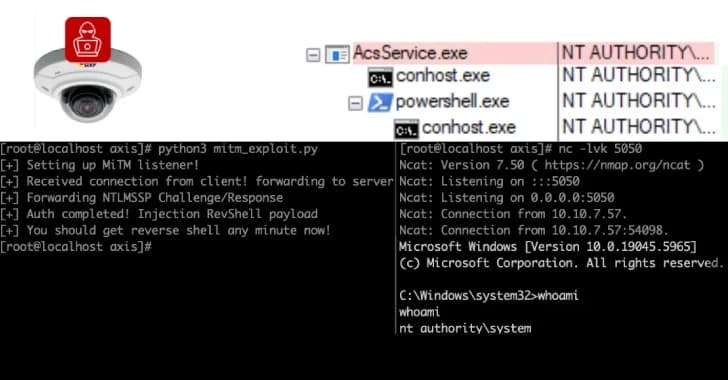
Researchers have uncovered multiple security vulnerabilities in Axis Communications' video surveillance products, which could allow attackers to execute remote code before authentication. These flaws affect Axis Device Manager, a server used for configuring and managing camera fleets, and Axis Camera Station, a client software for viewing video streams. Approximately 6,500 Axis servers are exposed via remote access protocols, with around 4,000 located in the United States, making them susceptible to exploitation. The vulnerabilities are particularly severe because they enable remote code execution (RCE) without requiring authentication. This means attackers could gain control of the systems without needing valid credentials, potentially leading to unauthorized access to video feeds, manipulation of camera settings, or further network infiltration. Given the widespread use of these systems in critical infrastructure, corporate environments, and public safety, the implications are significant. Compromised surveillance systems could result in privacy violations, data breaches, or even physical security risks. From a cybersecurity perspective, this underscores the critical need to secure IoT devices, especially those involved in surveillance. Organizations should prioritize regular vulnerability assessments and timely patching. Network segmentation is also crucial to limit the impact of potential breaches. Additionally, it is essential to ensure that these systems are not exposed to the internet unless absolutely necessary, and to use secure remote access methods such as VPNs. For organizations using Axis Communications products, immediate action is required. This includes checking for and applying any updates or patches released by the vendor. Network configurations should be reviewed to minimize exposure, and network traffic should be monitored for signs of exploitation attempts.