
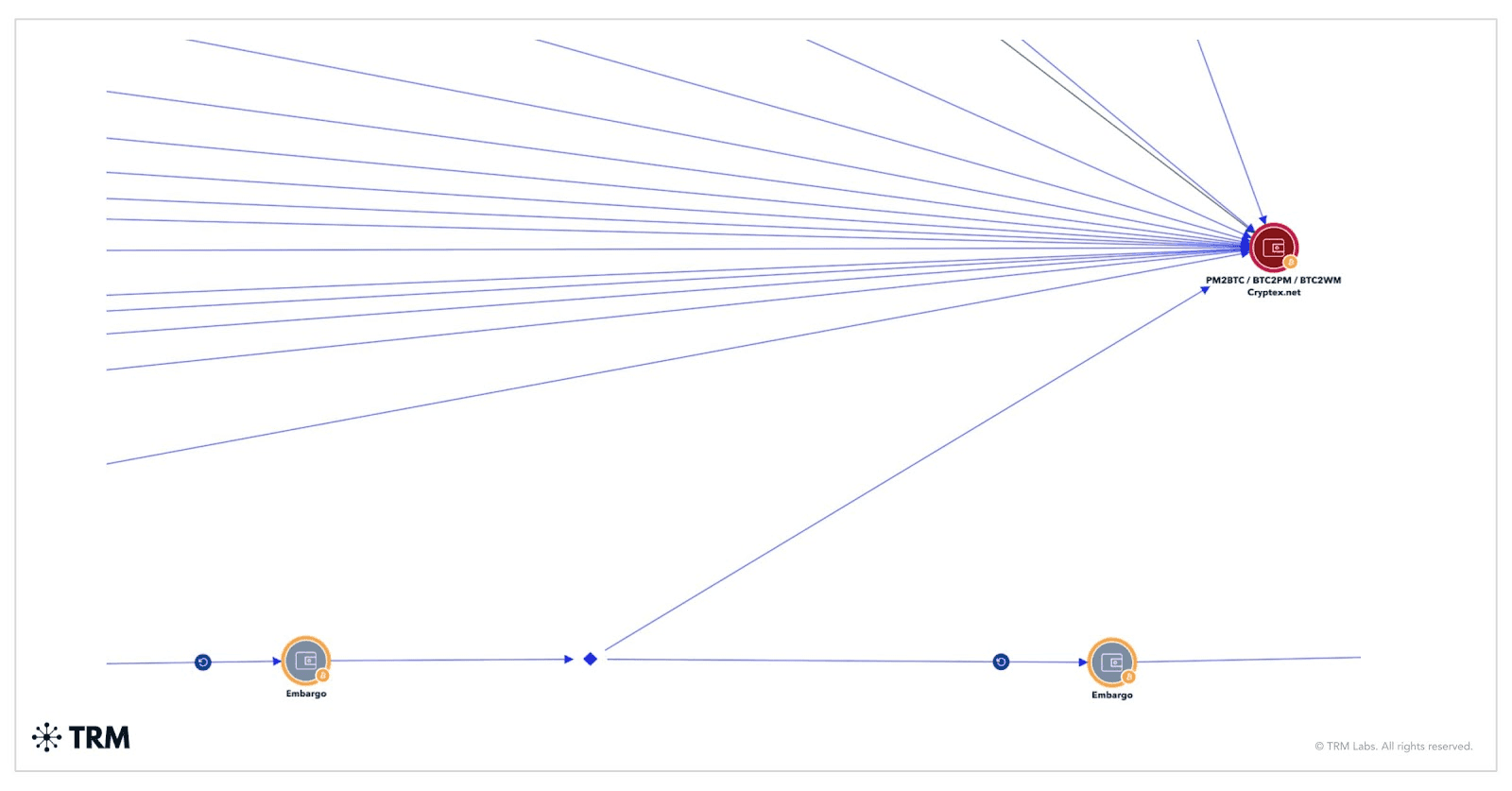
Embargo Ransomware: Successor to BlackCat/Alphv Nets $34.2M in Crypto Since April 2024
The emergence of Embargo ransomware, believed to be the successor to the notorious BlackCat/Alphv group, has raised significant concerns in the cybersecurity community. According to TRM Labs, a blockchain intelligence firm, the group behind Embargo has processed an alarming $34.2 million in cryptocurrencies since its inception in April 2024. This substantial financial gain underscores the effectiveness of their ransomware operations and the willingness of victims to pay ransoms. Embargo's connection to BlackCat/Alphv suggests a continuation or evolution of the latter's tactics, techniques, and procedures (TTPs). BlackCat/Alphv has been known for its sophisticated attacks, often targeting large organizations and demanding hefty ransoms. If Embargo is indeed its successor, it is likely employing similar, if not more advanced, methods to infiltrate systems, encrypt data, and evade detection. The financial success of Embargo highlights the ongoing challenge of ransomware in the cybersecurity landscape. Organizations must remain vigilant and proactive in their defense strategies. This includes ensuring systems are patched and up-to-date, implementing robust backup strategies, and having comprehensive incident response plans in place. Additionally, monitoring for indicators of compromise (IOCs) associated with both BlackCat and Embargo is crucial for early detection and mitigation. From a technical perspective, the transition from BlackCat to Embargo may involve improvements in encryption methods, infiltration techniques, and evasion tactics. Cybersecurity professionals should be prepared for these advancements and adapt their defense mechanisms accordingly. In conclusion, the rise of Embargo ransomware and its substantial financial gains underscore the persistent and evolving threat of ransomware. Organizations must prioritize their cybersecurity measures and stay informed about the latest developments in ransomware tactics to effectively protect their assets and data.