
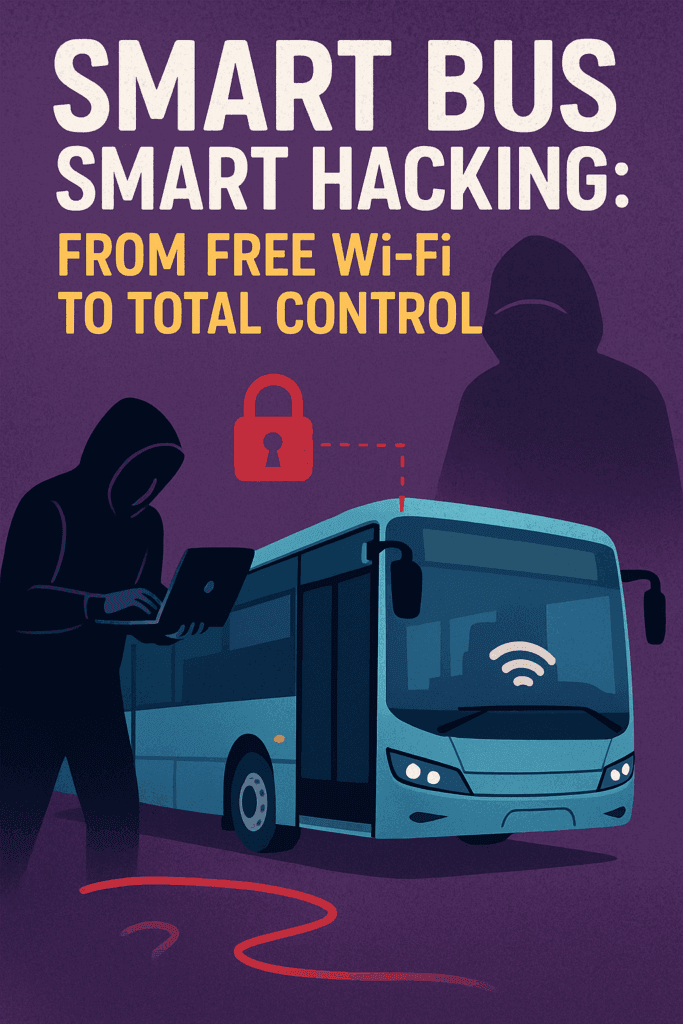
Critical Vulnerabilities in Smart Buses Expose Vehicles to Tracking, Control, and Spying
Researchers from Trend Micro Taiwan and CHT Security have identified significant vulnerabilities in the embedded and remote systems of smart buses. These vulnerabilities expose the vehicles to risks such as remote tracking, unauthorized control, and spying. While specific technical details of the vulnerabilities have not been disclosed, the implications are profound and multifaceted. Smart buses, integral to modern public transportation networks, rely on interconnected embedded systems for various functionalities, including GPS tracking, remote diagnostics, and passenger information systems. The identified vulnerabilities likely stem from weaknesses in authentication mechanisms, inadequate encryption, or unpatched software flaws within these systems. The potential impacts of these vulnerabilities are severe. Remote tracking capabilities could allow malicious actors to monitor bus locations in real-time, posing significant privacy and security risks. Unauthorized control of bus functions, such as braking or acceleration, could lead to safety hazards, endangering passengers and pedestrians alike. Additionally, spying capabilities could result in the interception of sensitive data, violating passenger privacy and potentially leading to data breaches. From a technical standpoint, these vulnerabilities underscore the critical importance of robust cybersecurity measures in the development and deployment of smart vehicle technologies. Key mitigations include implementing strong encryption protocols, enforcing rigorous authentication mechanisms, and conducting regular security audits and penetration testing. Furthermore, adopting a secure development lifecycle and ensuring network segmentation can help limit the impact of potential breaches. The broader implications for the cybersecurity landscape are substantial. Such vulnerabilities highlight the urgent need for enhanced security standards and regulations in the transportation sector. They also emphasize the necessity for comprehensive incident response plans to swiftly address and mitigate any identified vulnerabilities or breaches. For cybersecurity professionals, this discovery serves as a stark reminder of the evolving threat landscape in the IoT and smart vehicle domains. It calls for a proactive approach to cybersecurity, integrating best practices and advanced security measures to safeguard critical infrastructure and ensure the safety and privacy of passengers.