
Legendary Hackers Expose Kimsuky Member's Compromise in Phrack Magazine
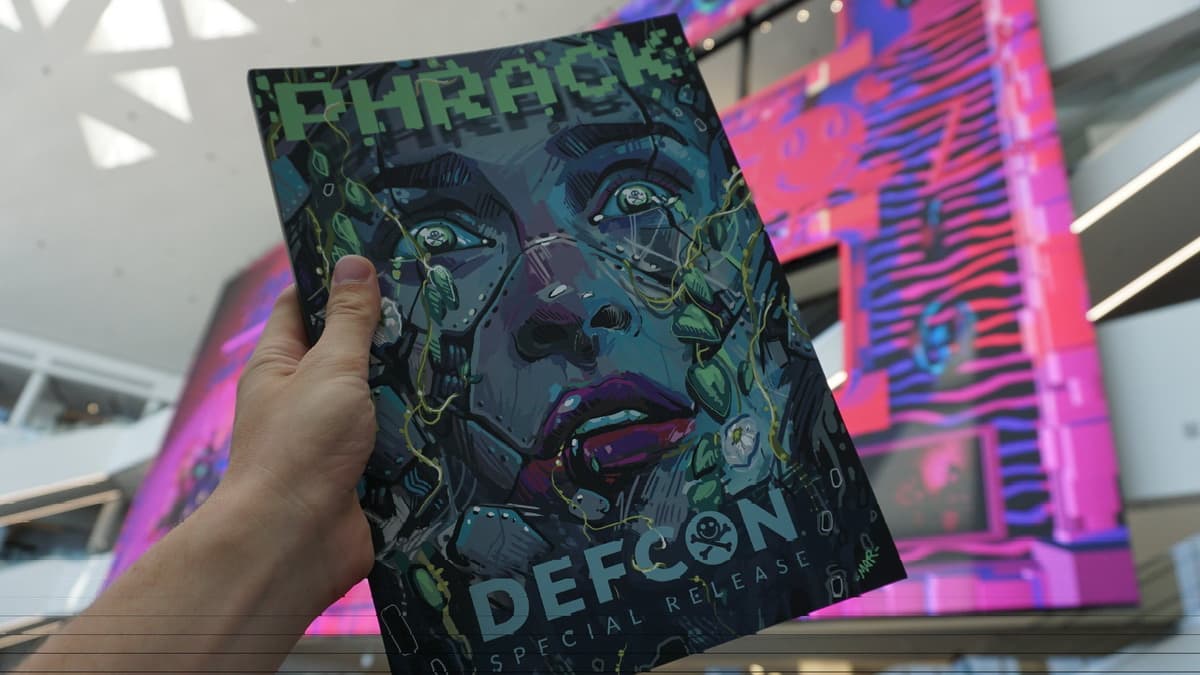
In a notable development, hackers known as Saber and cyb0rg have published an article in the latest issue of Phrack magazine, detailing their successful compromise of a member belonging to the North Korean espionage hacking group Kimsuky, also identified as APT43 and Thallium. Phrack, a venerable e-zine with roots tracing back to 1985, serves as a platform for high-profile disclosures within the hacking community. While the article does not divulge specific technical details or concrete impacts of the hack, the revelation carries significant implications for the cybersecurity landscape.
The compromise of a Kimsuky member underscores the vulnerability of even sophisticated advanced persistent threat (APT) groups to operational security failures. Kimsuky, a group known for its cyber espionage activities targeting government entities and think tanks, is typically associated with stringent security measures. The breach suggests potential lapses in their operational security (OPSEC), which could have been exploited by Saber and cyb0rg. Such incidents highlight the perpetual cat-and-mouse game in cybersecurity, where even well-resourced and skilled groups are not immune to breaches.
The publication in Phrack adds a layer of credibility and visibility to the disclosure. Historically, Phrack has been a platform for sharing in-depth technical knowledge and hacking methodologies. Although the current article lacks specific technical details, the fact that it was published in Phrack suggests that the hackers may have shared insights into Kimsuky's operations or methodologies, albeit at a high level. This could provide valuable intelligence to cybersecurity defenders and other threat actors, potentially leading to shifts in Kimsuky's tactics, techniques, and procedures (TTPs) as they adapt to the exposure.
From a broader cybersecurity perspective, this incident serves as a reminder of the importance of maintaining robust OPSEC practices. For organizations defending against APT groups like Kimsuky, this event could offer an opportunity to glean insights into the group's operations, should more details emerge. It also underscores the value of threat intelligence sharing within the cybersecurity community.
However, the lack of specific technical details in the article limits the immediate actionable intelligence that can be derived from this disclosure. Cybersecurity professionals should monitor for any additional information that may surface, particularly regarding the methods used by Saber and cyb0rg to compromise the Kimsuky member. Such details could provide critical insights into defending against similar attacks or understanding potential vulnerabilities within APT groups.
In conclusion, while the full impact of this breach remains unclear due to the lack of technical specifics, the event itself is noteworthy. It highlights the ongoing risks and challenges in cybersecurity, even for advanced threat actors. The cybersecurity community should remain vigilant for further developments and potential shifts in Kimsuky's TTPs as a result of this exposure.