
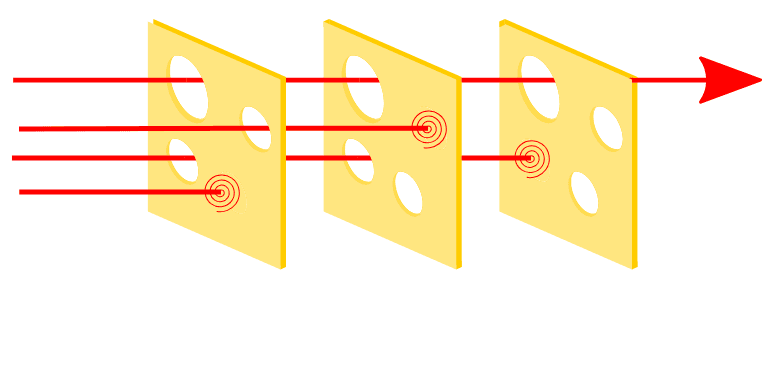
Enhancing Cybersecurity Resilience with the Swiss Cheese Model: A Multi-Layered Defense Strategy
The Swiss cheese model, traditionally used in sectors like aviation, engineering, and healthcare, is gaining traction in cybersecurity for its robust risk management framework. This model emphasizes that no single security measure is sufficient on its own, advocating instead for a multi-layered defense strategy. By focusing on both active and latent failures, organizations can minimize the domino effect of digital threats. In cybersecurity, this translates to implementing multiple layers of defense such as firewalls, intrusion detection systems, encryption, and access controls. Each layer may have vulnerabilities, but when combined, they create a resilient defense mechanism. The application of this model in national cybersecurity and enterprise solutions underscores its versatility and effectiveness. It encourages a proactive approach to security, helping organizations identify and mitigate vulnerabilities before they are exploited. This model is particularly relevant in today's complex threat landscape, where attackers use sophisticated methods to bypass single layers of defense. Implementing the Swiss cheese model requires a thorough understanding of an organization's assets, potential threats, and existing security measures. Continuous monitoring and updating of these layers are essential to maintain effective security. By adopting this model, organizations can enhance their cybersecurity resilience, comply with regulatory requirements, and better manage cyber risks.