
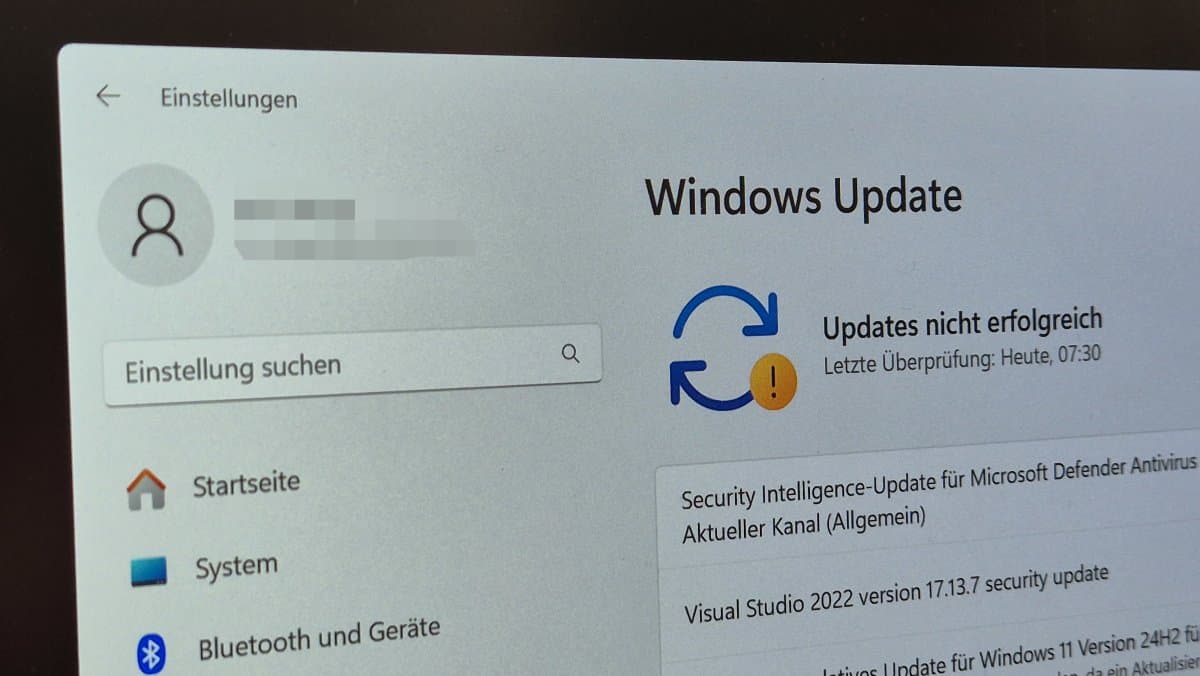
Microsoft Acknowledges Issues with August Windows 11 Updates via WSUS
Microsoft has acknowledged issues with the August updates for Windows 11 when distributed via Windows Server Update Services (WSUS). These updates are failing during deployment, which could leave systems vulnerable to security threats. Microsoft is currently working on a solution to resolve this problem. The technical implications of this issue are significant. WSUS is a critical tool for many organizations to manage and distribute updates across their networks. If updates are failing, systems may not receive critical security patches, leaving them exposed to vulnerabilities. This could be particularly problematic for enterprise environments that rely on WSUS for centralized update management. The impact on the cybersecurity landscape could be substantial. If a large number of organizations are affected, it could lead to a widespread vulnerability. Cybercriminals might exploit this window of opportunity to target systems that haven't received the updates. It is crucial for organizations to monitor for any security advisories related to the failed updates to understand the risks and take appropriate action. In the meantime, organizations might need to consider alternative methods for installing updates, such as manual installation, until Microsoft releases a fix. It is also important to stay informed about any developments from Microsoft regarding this issue. For cybersecurity professionals, this situation underscores the importance of having robust update management processes and contingency plans in place. It also highlights the need for continuous monitoring and quick response to any issues that may arise with update deployments. In summary, the failed Windows 11 updates via WSUS present a significant challenge for organizations relying on this tool for update management. The potential security risks underscore the importance of having backup plans and staying informed about developments from Microsoft.