
Netflix Job Phishing Scam Exploits Facebook Messenger and Google Hangouts to Steal Credentials
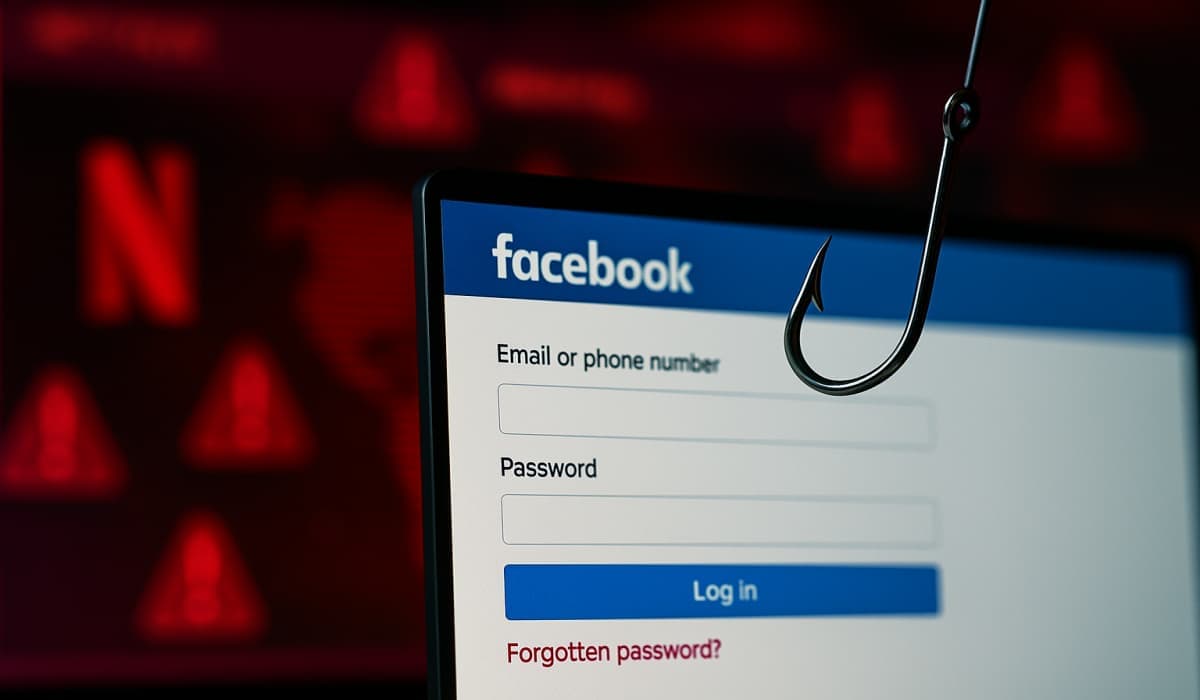
A sophisticated phishing campaign is targeting job seekers by leveraging the reputations of Netflix, Facebook Messenger, and Google Hangouts. Attackers initiate contact through Facebook Messenger, posing as Netflix recruiters and offering fake job opportunities. The scam involves conducting fake interviews via Google Hangouts, during which victims are instructed to log into their Facebook accounts to verify their identity. This tactic allows attackers to harvest victims' Facebook login credentials, enabling account takeover, data theft, and potential financial fraud.
Technically, this campaign exploits the trust users place in well-known brands and platforms. By using Facebook Messenger and Google Hangouts, the attackers create a convincing facade that lowers victims' guard. The stolen credentials can be used for various malicious purposes, including further phishing attacks on the victim's contacts, spreading malware, and accessing sensitive personal information.
The implications for cybersecurity are multifaceted. First, it highlights the need for robust user education programs that emphasize the importance of verifying job offers and being cautious about sharing login credentials. Organizations should implement multi-factor authentication (MFA) to mitigate the risk of account takeover, even if credentials are compromised.
Second, this campaign underscores the evolving sophistication of phishing attacks. Attackers are increasingly combining multiple platforms and services to create convincing scams. Cybersecurity professionals must adapt by developing comprehensive security strategies that include user education, robust authentication mechanisms, and proactive monitoring for phishing activities.
Third, this campaign serves as a reminder of the importance of brand protection. Organizations must be vigilant in monitoring for and responding to phishing campaigns that exploit their brand. This includes informing employees and customers about such threats and taking proactive measures to detect and mitigate phishing activities.
In conclusion, this phishing campaign targeting job seekers highlights the ongoing threat of social engineering attacks. It underscores the need for continuous vigilance, education, and robust security measures to protect against such threats. Cybersecurity professionals must stay informed about evolving phishing tactics and adapt their strategies accordingly to safeguard users and organizations from these insidious attacks.