
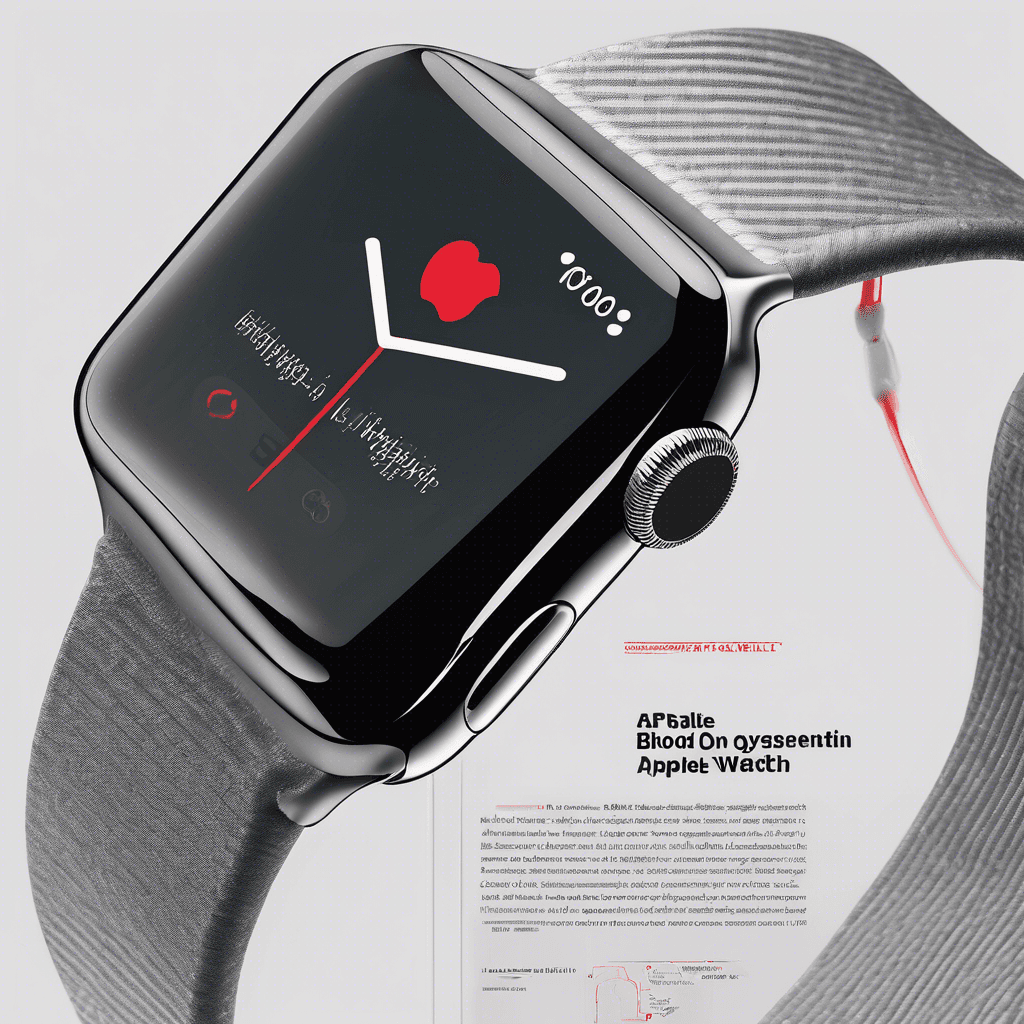
Apple to Reactivate Blood Oxygen Measurement in Apple Watch Following Patent Dispute Resolution
Apple has announced that it will issue a software update to reactivate the blood oxygen measurement feature on certain Apple Watch models. This feature had been disabled due to a patent dispute with Masimo, a company specializing in medical devices and sensors. The reactivation follows a resolution of the legal issues that had led to the feature's deactivation. The blood oxygen measurement feature is a critical health monitoring tool that uses photoplethysmography (PPG) technology. This technology involves shining light through the skin and measuring the light absorption to determine blood oxygen levels. The feature is particularly valuable for users with respiratory or cardiovascular conditions, as it provides essential health data. From a cybersecurity perspective, the reactivation of this feature through a software update highlights the importance of ensuring that such updates are secure and do not introduce new vulnerabilities. Health data is highly sensitive, and its protection is paramount. Cybersecurity professionals should ensure that the update process is monitored and that any new data collection is handled securely to maintain user privacy. The reintroduction of the feature could lead to increased data collection, which needs to be secured. The update process itself must be secure to prevent any potential exploitation by malicious actors. The resolution of the patent dispute and the subsequent reactivation of the feature also underscore the importance of legal compliance in technology development. Companies must navigate patent laws carefully to avoid disruptions in service that can impact user experience and health monitoring capabilities. In conclusion, while the primary focus of this update is on resolving a legal issue, cybersecurity professionals should remain vigilant about the security implications of such updates. Ensuring the integrity and confidentiality of health data should be a top priority. The impact on the cybersecurity landscape includes the need for continuous monitoring and updating of security protocols to protect health data.