
Man-in-the-Prompt: Emerging Threat to Generative AI Tools via Browser Extensions
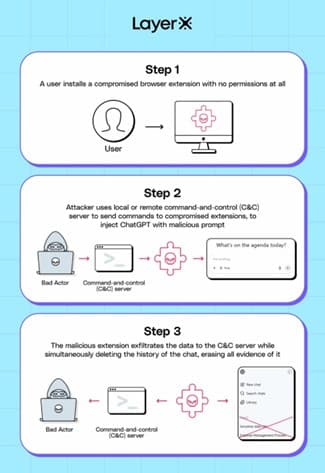
A new cybersecurity threat known as "Man-in-the-Prompt" has been identified, targeting generative AI tools such as ChatGPT, Gemini, Copilot, and Claude. This attack leverages browser extensions to compromise user interactions with these AI systems. While specific technical details and real-world impacts are not fully disclosed in the initial report, the nature of the attack suggests significant risks to data integrity and confidentiality.
Generative AI tools are widely used for tasks ranging from code generation to text completion. These tools rely on user prompts to generate responses, making the security of these interactions crucial. The "Man-in-the-Prompt" attack highlights vulnerabilities in this interaction model, particularly through the use of browser extensions, which are often perceived as benign but can be exploited for malicious purposes.
The attack suggests that adversaries can intercept or manipulate prompts sent to AI tools. This could lead to data leakage, where sensitive information in prompts is captured by attackers. Additionally, attackers could inject malicious prompts to manipulate AI responses, potentially generating harmful code or disclosing sensitive information. Session hijacking is another potential risk, where attackers could gain unauthorized access to AI tool sessions.
This attack vector represents a new challenge in the cybersecurity landscape, particularly as AI tools become more integrated into daily workflows. The use of browser extensions as an attack vector is particularly concerning due to their widespread use and perceived safety. This underscores the need for robust security measures in AI tool interactions and the careful vetting of browser extensions.
From a cybersecurity perspective, this attack emphasizes the importance of secure communication channels between users and AI tools. Users must be cautious about the browser extensions they install, ensuring they come from trusted sources. Developers of AI tools should implement robust security measures, including secure communication protocols and regular security audits, to detect and prevent such attacks.
Actionable intelligence includes:
- Users should exercise caution when installing browser extensions, ensuring they are from trusted sources.
- Developers of AI tools should implement secure communication protocols to prevent the interception or alteration of prompts.
- Regular security audits of browser extensions and AI tools can help identify and mitigate such threats.