
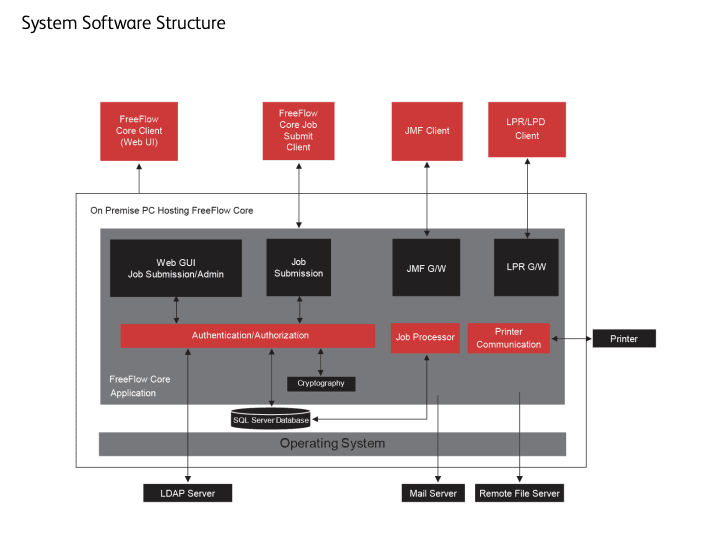
Xerox Patches Critical Path Traversal and XXE Injection Vulnerabilities in FreeFlow Core
Xerox has recently addressed two critical vulnerabilities in its FreeFlow Core software, identified as CVE-2025-8355 and CVE-2025-8356. These vulnerabilities, if exploited, could allow unauthenticated attackers to execute remote code on affected systems. The first vulnerability, CVE-2025-8355, is a path traversal issue, while the second, CVE-2025-8356, involves an XXE injection flaw. Path traversal vulnerabilities enable attackers to access files and directories outside the intended directory, potentially leading to unauthorized access to sensitive information and remote code execution. XXE injection vulnerabilities exploit weakly configured XML parsers to disclose confidential data, perform denial-of-service attacks, or execute remote code. The critical nature of these vulnerabilities lies in their potential to allow unauthenticated remote code execution, which could give attackers full control over the affected systems. Xerox's prompt patching of these vulnerabilities underscores the importance of regular security updates and vigilant patch management. For cybersecurity professionals, this incident serves as a reminder of the persistent threat posed by common vulnerabilities such as path traversal and XXE injection. It highlights the necessity of maintaining up-to-date systems and conducting regular security audits. Organizations using FreeFlow Core should immediately apply the provided patches and review their security protocols to mitigate the risk of similar vulnerabilities in the future. In conclusion, while Xerox's swift action to patch these vulnerabilities is commendable, it is crucial for organizations to remain proactive in their cybersecurity measures to protect against such threats.