
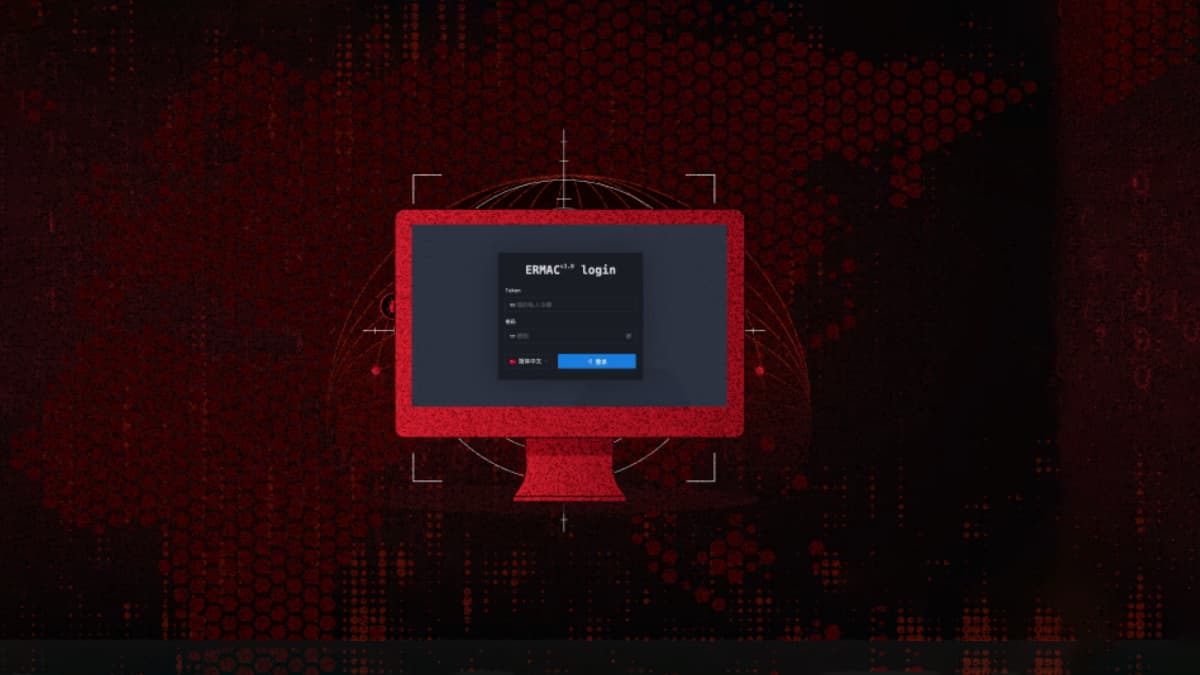
Hunt Intelligence Discovers ERMAC 3.0 Source Code Leak and Infrastructure Vulnerabilities
Cybersecurity specialists from Hunt Intelligence have uncovered a significant leak of the source code for ERMAC 3.0, a banking Trojan targeting Android devices. This discovery is coupled with reports of serious vulnerabilities in the infrastructure of the malware operators. ERMAC 3.0 is known for its ability to steal banking credentials and sensitive information from infected devices. The leak of its source code poses a substantial risk, as it enables other threat actors to create new variants of the malware, thereby increasing the attack surface and complicating detection and mitigation efforts.
The exposure of vulnerabilities in the malware operators' infrastructure adds another layer of complexity. These vulnerabilities could be indicative of operational security failures, such as misconfigured servers or exposed credentials, which might be exploited by security researchers or law enforcement to disrupt the malware's operations. Moreover, these vulnerabilities could be leveraged by other threat actors to gain unauthorized access, leading to further compromises.
The implications of this leak on the cybersecurity landscape are multifaceted. On one hand, the availability of the source code could lead to an increase in threat activity, as more cybercriminals gain access to and modify the code to launch sophisticated attacks. On the other hand, security researchers can leverage the leaked code to enhance detection capabilities and develop more effective countermeasures. The vulnerabilities in the infrastructure also present an opportunity for takedowns, potentially disrupting the malware's command and control (C2) infrastructure.
For cybersecurity professionals, this development underscores the importance of vigilance. It is crucial to monitor for new variants of ERMAC that might emerge due to the leaked source code. Enhancing detection mechanisms by analyzing the leaked code can provide valuable insights into the malware's behavior and capabilities. Additionally, exploiting the identified infrastructure vulnerabilities could lead to the disruption of the malware's operations, providing a strategic advantage in the fight against cybercrime.
In conclusion, while the leak of ERMAC 3.0's source code presents significant risks, it also offers opportunities for the cybersecurity community to strengthen defenses and potentially disrupt malicious activities. The key lies in leveraging this intelligence effectively to mitigate the heightened threat landscape.