
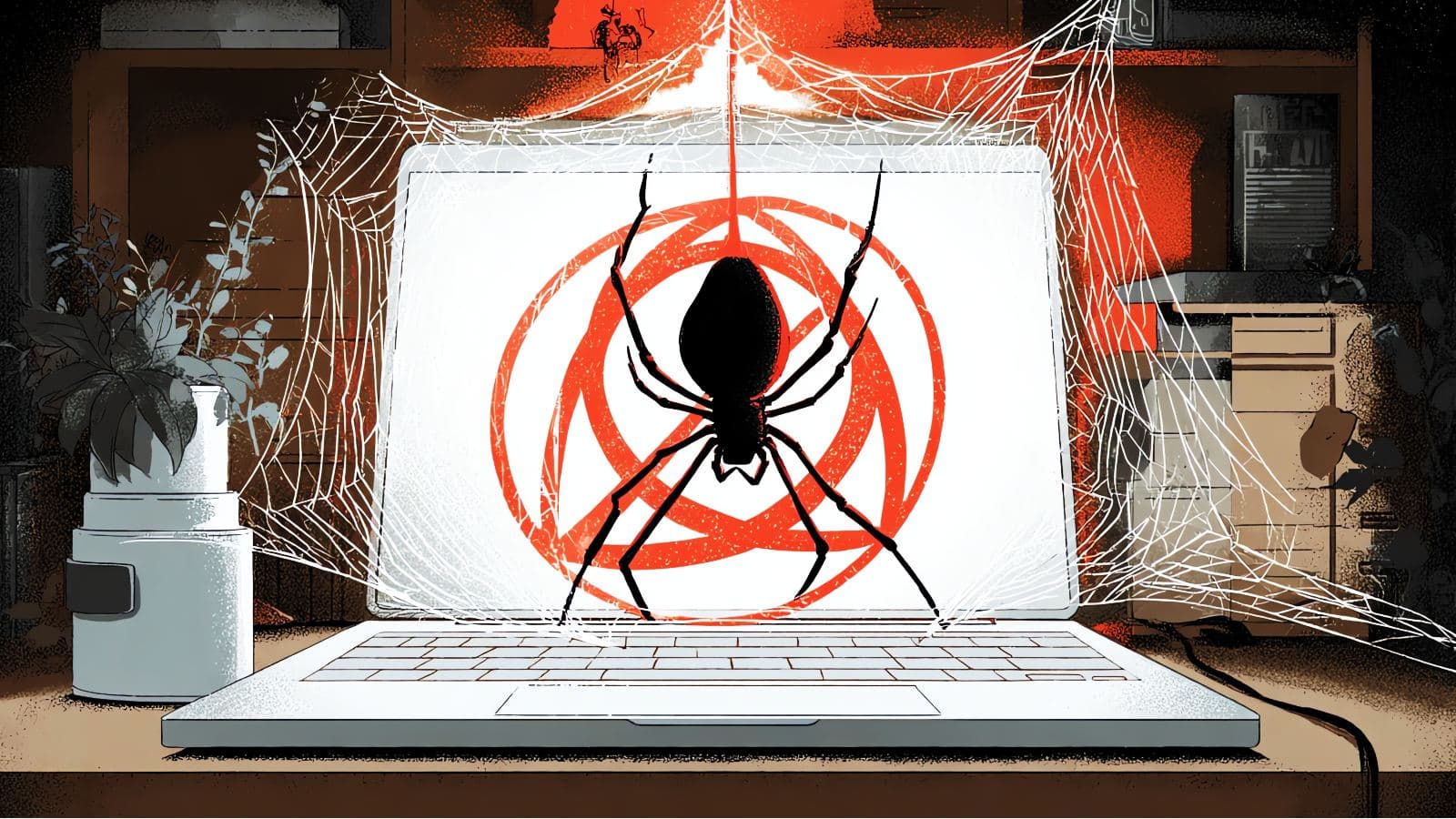
Scattered Spider Hacker Sentenced to 10 Years: Implications for Cybersecurity
Noah Michael Urban, a key member of the cybercriminal group Scattered Spider, has been sentenced to 10 years in prison after pleading guilty to charges of electronic fraud and conspiracy. This sentencing marks a significant development in the fight against cybercrime, highlighting the serious consequences faced by those involved in such activities.
Scattered Spider is known for its sophisticated cyberattacks, including ransomware and data theft, which have caused substantial financial losses and operational disruptions for numerous enterprises and institutions. The group employs advanced techniques such as social engineering and vulnerability exploitation to infiltrate systems, making them a formidable threat in the cybersecurity landscape.
The sentencing of Urban underscores the growing effectiveness of law enforcement in tracking down and prosecuting cybercriminals. However, it also serves as a stark reminder of the evolving sophistication of cybercrime groups. Organizations must remain vigilant and proactive in their cybersecurity measures to mitigate the risks posed by such threats.
For cybersecurity professionals, this case highlights the importance of threat intelligence and proactive defense strategies. Understanding the tactics, techniques, and procedures (TTPs) used by groups like Scattered Spider is crucial for developing effective defense mechanisms. Regular security assessments, employee training on social engineering tactics, and robust incident response plans are essential components of a comprehensive cybersecurity strategy.
In conclusion, the sentencing of Noah Michael Urban is a notable victory in the ongoing battle against cybercrime. It underscores the need for continuous improvement in cybersecurity practices and the importance of collaboration between law enforcement and cybersecurity professionals to combat these threats effectively.