
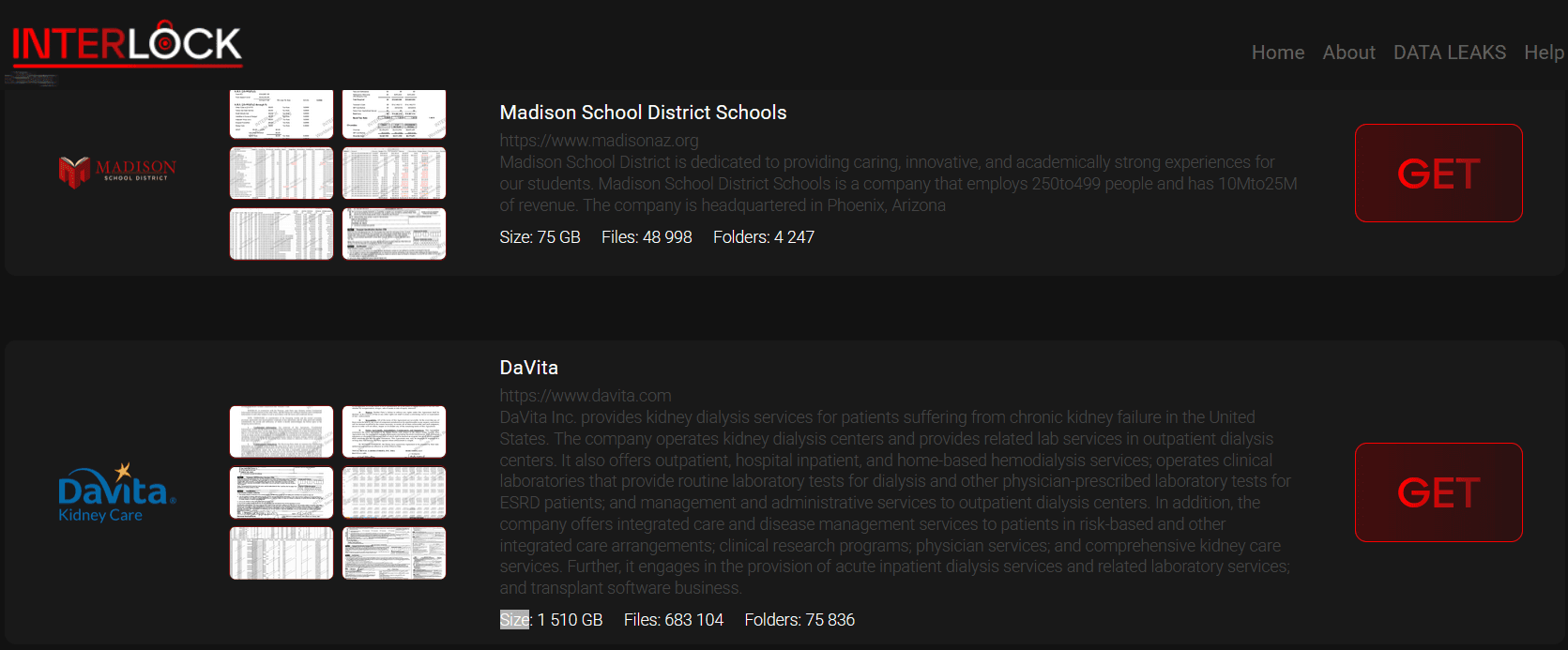
DaVita Ransomware Attack Exposes Data of 2.7 Million Patients
DaVita, a leading provider of kidney dialysis services, has confirmed a significant data breach following a ransomware attack. The incident, reported by the Department of Health's Office for Civil Rights, has compromised the personal and health information of approximately 2.7 million individuals. This breach underscores the growing threat of ransomware attacks targeting healthcare organizations, which hold vast amounts of sensitive data. The attack involved the Interlock ransomware strain, known for its ability to encrypt large volumes of data and demand substantial ransom payments. The compromised data includes sensitive personal and health information, which could be exploited for identity theft, financial fraud, and other malicious activities. The scale of the breach, affecting millions of patients, highlights the critical need for robust cybersecurity measures in the healthcare sector. From a regulatory perspective, this incident will likely attract significant scrutiny from health authorities. Under HIPAA and other regulations, healthcare providers are required to implement stringent security measures to protect patient data. Failure to do so can result in substantial fines and legal consequences. For cybersecurity professionals, this breach serves as a stark reminder of the importance of proactive security measures. Key recommendations include implementing advanced threat detection systems, conducting regular security audits, and ensuring comprehensive employee training to recognize and respond to potential threats. Additionally, having a well-defined incident response plan is crucial to minimize the impact of such attacks. The DaVita breach also highlights the need for continuous monitoring and updating of security protocols. Ransomware attacks are evolving rapidly, and organizations must stay ahead of these threats by adopting the latest security technologies and best practices. In conclusion, the DaVita ransomware attack is a significant event in the cybersecurity landscape, emphasizing the vulnerabilities in healthcare systems and the urgent need for enhanced security measures to protect sensitive patient data.