
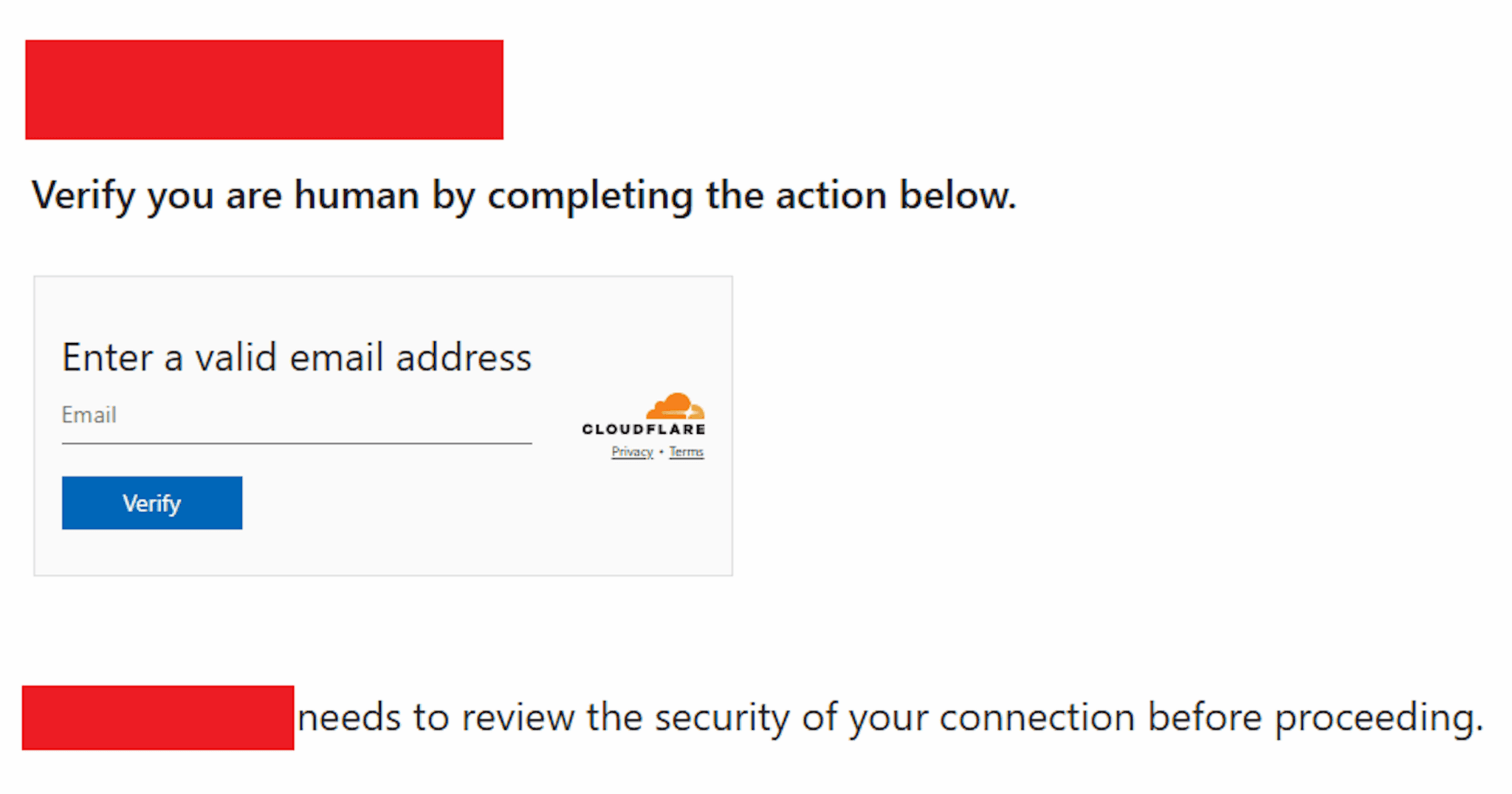
Amazon Disrupts APT29 Watering Hole Campaign Targeting Microsoft Device Code Authentication
Amazon recently disrupted a watering hole campaign conducted by the Russian cyberespionnage group APT29, also known as Cozy Bear, Nobelium, and Midnight Blizzard. This campaign targeted Microsoft's device code authentication mechanism through compromised websites. The attack was characterized as opportunistic, leveraging legitimate sites to target users. APT29 is a well-known state-sponsored actor with a history of sophisticated cyberespionage operations. The use of watering hole attacks indicates their strategy of compromising trusted websites to reach their intended victims. By targeting Microsoft's device code authentication, the group aimed to intercept authentication codes, potentially gaining unauthorized access to user accounts. Amazon's intervention highlights the critical role of major technology providers in detecting and mitigating cyber threats. This incident underscores the importance of robust monitoring and threat detection mechanisms, particularly for authentication processes. For cybersecurity professionals, this serves as a reminder to ensure that authentication mechanisms are secure and that users are educated about the risks of phishing and watering hole attacks. The impact of this campaign on the cybersecurity landscape is significant. It demonstrates the ongoing threat posed by state-sponsored actors and their ability to exploit trusted platforms. Organizations should prioritize the security of their authentication processes and collaborate with technology providers to enhance their threat detection capabilities. In conclusion, this incident provides actionable intelligence for cybersecurity professionals. It emphasizes the need for continuous monitoring, user education, and collaboration with technology providers to mitigate the risks posed by sophisticated cyber threats.