
The Arrest of Ola Bini: Implications for Digital Rights and Cybersecurity Professionals
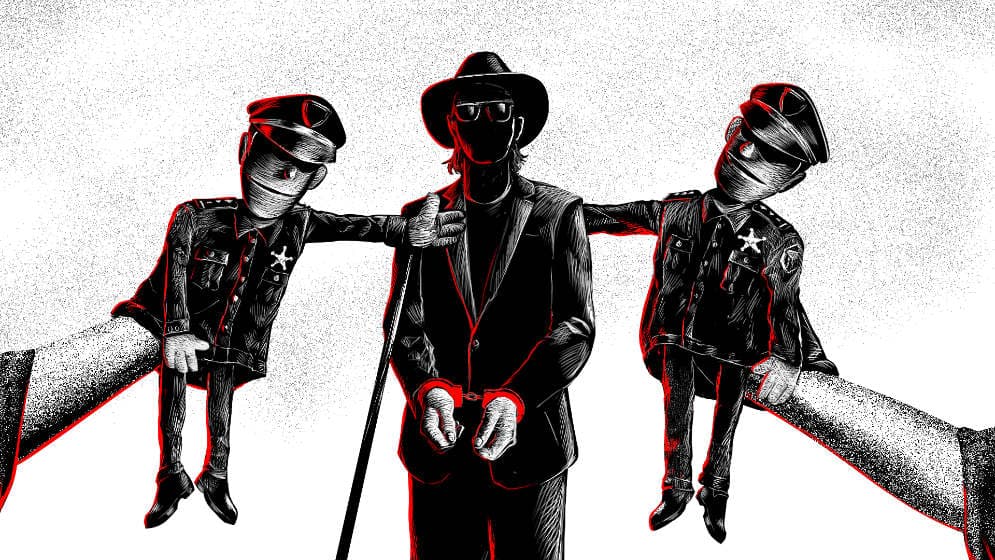
In 2019, Ola Bini, a Swedish programmer and privacy advocate, was arrested in Ecuador under accusations of being a Russian hacker. Bini is well-known for his work in digital rights and privacy, making his arrest a significant event in the cybersecurity community. The case drew international attention, with organizations like the Electronic Frontier Foundation (EFF) and Amnesty International expressing concerns about the fairness of his trial and the circumstances of his arrest. Bini was detained for 90 days before being released on bail, with allegations of violence during his arrest adding to the controversy.
From a technical perspective, Bini's work likely involves encryption, secure communications, and other privacy-enhancing technologies. The accusation of being a hacker, particularly a Russian hacker, suggests a possible misunderstanding or misrepresentation of his work. This case highlights the risks faced by cybersecurity professionals working in politically sensitive areas. The involvement of prominent advocacy groups underscores the importance of digital rights and the need for legal protections for those working in this field.
The arrest of a prominent privacy advocate like Bini could have a chilling effect on the cybersecurity community. Professionals may become hesitant to work on privacy-enhancing technologies due to fear of legal repercussions. This case also highlights the need for better legal protections and the role of advocacy groups in defending the rights of cybersecurity professionals.
For cybersecurity professionals, this case serves as a reminder of the legal risks associated with their work. It is crucial to be aware of the legal landscape in different jurisdictions and to engage with advocacy groups and legal experts to protect their rights. The case of Ola Bini underscores the importance of digital rights and the need for continued advocacy in this area.