
Weekly Cybersecurity Recap: Drift Breach Chaos, Zero-Day Threats, and Critical Patches
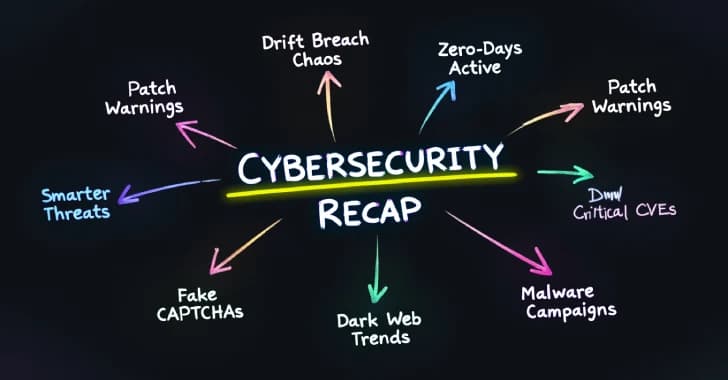
This week's cybersecurity landscape has been dominated by the significant breach involving Drift, a popular customer engagement platform. The breach has caused substantial chaos, impacting numerous users and systems. The incident underscores the critical need for robust security measures and rapid response protocols. Adding to the complexity, several zero-day vulnerabilities have been actively exploited. Zero-day vulnerabilities are particularly dangerous as they are unknown to the vendor and, consequently, unpatched, leaving systems exposed until a fix is deployed. The presence of multiple active zero-day vulnerabilities highlights the evolving sophistication of cyber threats. Critical patch warnings have been issued, emphasizing the urgency for organizations to apply these updates. Delaying patch management can leave systems vulnerable to exploitation, potentially leading to data breaches, system compromises, and other severe consequences. The importance of timely patching cannot be overstated, as it is one of the most effective ways to mitigate known vulnerabilities. The increasing intelligence of threats necessitates heightened vigilance from security and IT teams. Cybercriminals are continually refining their tactics, techniques, and procedures (TTPs) to bypass traditional security measures. This evolution requires security teams to stay abreast of the latest threats and adapt their defenses accordingly. One of the primary challenges for security teams is not only keeping up with the latest news but also identifying and prioritizing the most significant risks. With the sheer volume of threats and vulnerabilities, it is crucial to have a robust risk management framework in place. This framework should include continuous monitoring, threat intelligence integration, and regular risk assessments to ensure that the most critical threats are addressed promptly. In conclusion, the recent Drift breach, active zero-day vulnerabilities, and critical patch warnings serve as stark reminders of the dynamic and challenging nature of the cybersecurity landscape. Organizations must remain vigilant, proactive, and well-informed to effectively mitigate risks and protect their assets.