
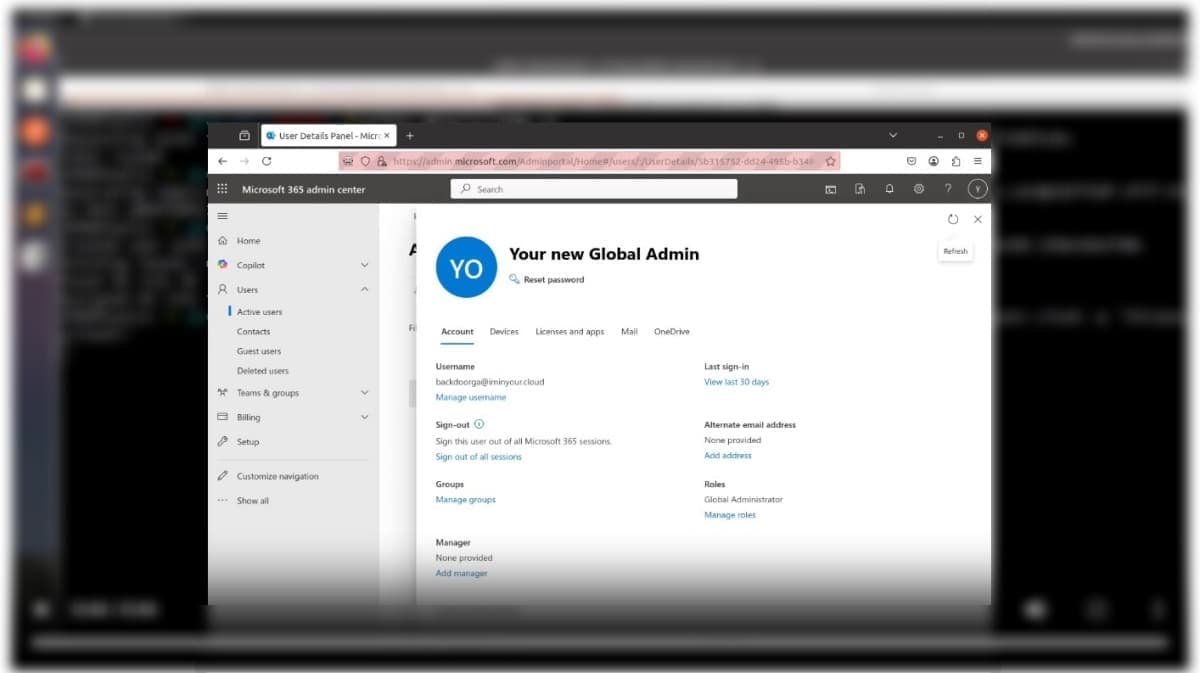
Critical Vulnerability in Microsoft Entra ID Allowed Global Admin Impersonation Across Tenants
Microsoft recently addressed a critical vulnerability in Entra ID, formerly known as Azure Active Directory, which could have allowed attackers to impersonate global administrators across different tenants. This flaw posed a significant risk, as it could have led to the complete compromise of Microsoft 365 and Azure environments. The vulnerability enabled attackers to gain elevated privileges, thereby compromising the integrity and security of enterprise cloud environments.
The ability to impersonate global administrators is particularly alarming because these roles have the highest level of access within a tenant. An attacker exploiting this vulnerability could have gained control over an organization's entire cloud infrastructure, leading to potential data breaches and unauthorized access. The cross-tenant nature of the vulnerability further exacerbated the risk, as attackers could potentially move laterally across different organizations' environments.
Microsoft has since patched the vulnerability, but this incident underscores the critical importance of timely patching and robust identity and access management practices. Organizations should ensure that they have applied the latest patches and are following the principle of least privilege, regularly auditing administrative roles to minimize the risk of such exploits.
From a broader cybersecurity perspective, this vulnerability highlights the inherent risks associated with identity and access management systems. These systems are often targeted by attackers due to their central role in controlling access to sensitive resources. The incident serves as a reminder of the need for continuous monitoring and the implementation of Zero Trust principles, which assume breach and verify every request as though it originates from an open network.
For cybersecurity professionals, this incident reinforces the importance of understanding the complexities of cloud identity systems and ensuring that they are configured securely. It also highlights the need for comprehensive logging and monitoring to detect and respond to suspicious activities promptly.