
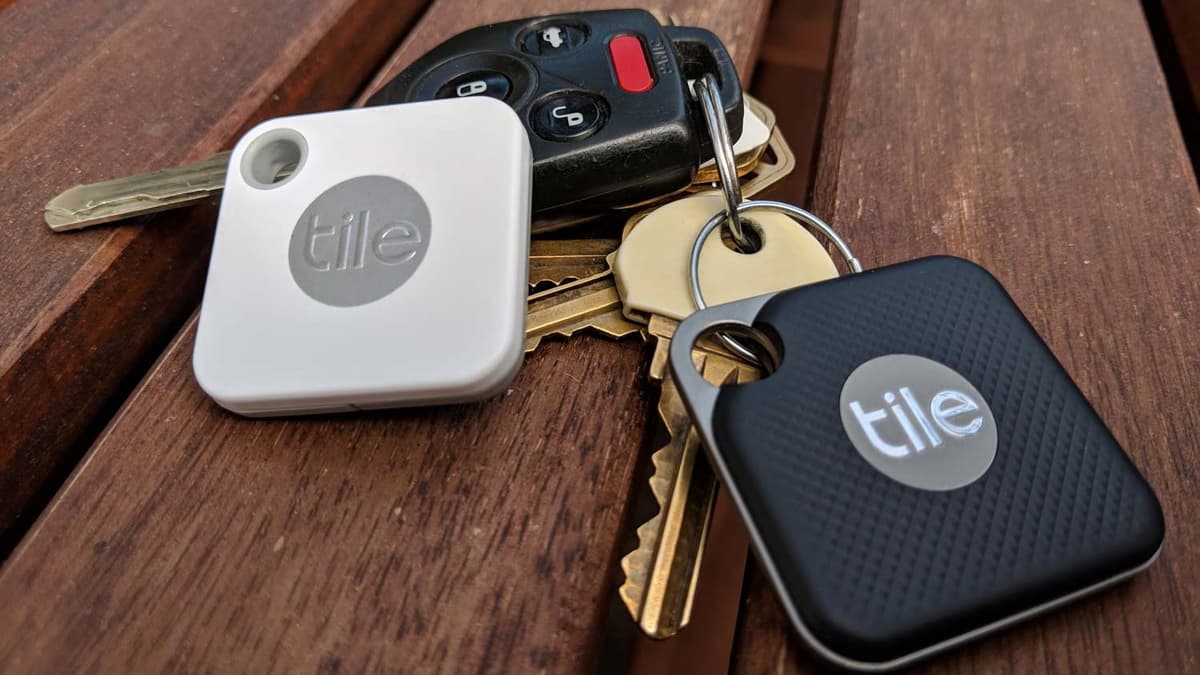
Critical Vulnerability in Tile Bluetooth Trackers Exposes User Privacy
Researchers from the Georgia Institute of Technology have uncovered a critical vulnerability in Tile Bluetooth trackers. These popular devices, used to locate lost items, transmit identification data in plaintext. This lack of encryption allows malicious actors to intercept and read the data, potentially compromising the privacy of users. The vulnerability exposes users to risks such as unauthorized tracking and surveillance, highlighting significant privacy concerns. Bluetooth trackers like Tile operate by communicating with paired devices via Bluetooth. The identification data transmitted by these devices is crucial for their functionality, as it helps in locating lost items. However, the transmission of this data in plaintext is a serious security flaw. Without encryption, the data can be easily intercepted and read by anyone with the right tools, leading to potential privacy breaches. The implications of this vulnerability extend beyond individual privacy concerns. It underscores a broader issue within the IoT landscape, where functionality often takes precedence over security. Many IoT devices, including Bluetooth trackers, lack robust encryption measures, making them susceptible to similar vulnerabilities. This finding serves as a reminder for manufacturers to prioritize security in their device designs to protect user privacy. From a cybersecurity perspective, the lack of encryption in Tile devices is a significant oversight. Encryption is a fundamental security measure, particularly for devices that handle sensitive data. The transmission of identification data in plaintext is a critical flaw that needs immediate attention. Manufacturers should implement robust encryption protocols to safeguard user data and prevent unauthorized access. For users of Tile devices, awareness of this vulnerability is crucial. Mitigation strategies could include disabling the device when not in use or employing additional security measures to protect privacy. Manufacturers, on the other hand, should prioritize encryption in their devices to prevent such vulnerabilities and ensure the security and privacy of their users. In conclusion, the discovery of this vulnerability in Tile Bluetooth trackers highlights the importance of encryption in IoT devices. It serves as a wake-up call for manufacturers to prioritize security and for users to be vigilant about their privacy. Addressing this issue promptly can help mitigate the risks associated with unauthorized tracking and surveillance.