
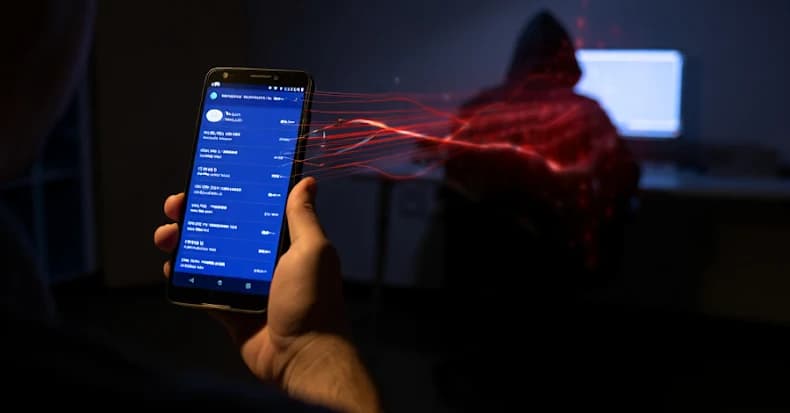
New Android Banking Trojan Klopatra Compromises 3,000 Devices Using Hidden VNC
A new Android banking trojan named Klopatra has been discovered, compromising over 3,000 devices primarily in Spain and Italy. Identified by the Italian fraud prevention company Cleafy in late August 2025, Klopatra is a sophisticated Remote Access Trojan (RAT) that employs Hidden Virtual Network Computing (VNC) to remotely control infected devices. This malware represents a significant threat due to its ability to operate stealthily, capturing sensitive financial information and performing unauthorized actions on the device.
Technically, Klopatra's use of Hidden VNC is particularly alarming. VNC is typically used for legitimate remote desktop access, but in this case, it is exploited to gain unauthorized control over the victim's device. This allows attackers to perform a range of malicious activities, including capturing screenshots, logging keystrokes, and even manipulating the device's camera and microphone. The stealthy nature of Hidden VNC makes detection and mitigation challenging, as it operates in the background without the user's knowledge.
The impact on the cybersecurity landscape is profound. The emergence of Klopatra underscores the evolving sophistication of mobile malware and the increasing focus of cybercriminals on targeting financial information. This trend highlights the critical need for robust mobile security measures, including regular software updates, the use of reputable antivirus solutions, and comprehensive user education on recognizing and avoiding malicious applications.
For cybersecurity professionals, this discovery serves as a stark reminder of the importance of continuous monitoring and threat intelligence. Organizations must ensure that their mobile security strategies are up-to-date and capable of detecting and mitigating advanced threats like Klopatra. Actionable intelligence includes monitoring for signs of Klopatra malware, educating users about the risks of downloading apps from untrusted sources, implementing advanced threat detection systems, and regularly updating and patching mobile devices.
In conclusion, the Klopatra banking trojan represents a significant and evolving threat to mobile security. Cybersecurity professionals must remain vigilant and proactive in their defense strategies to mitigate the risks posed by such sophisticated malware.