
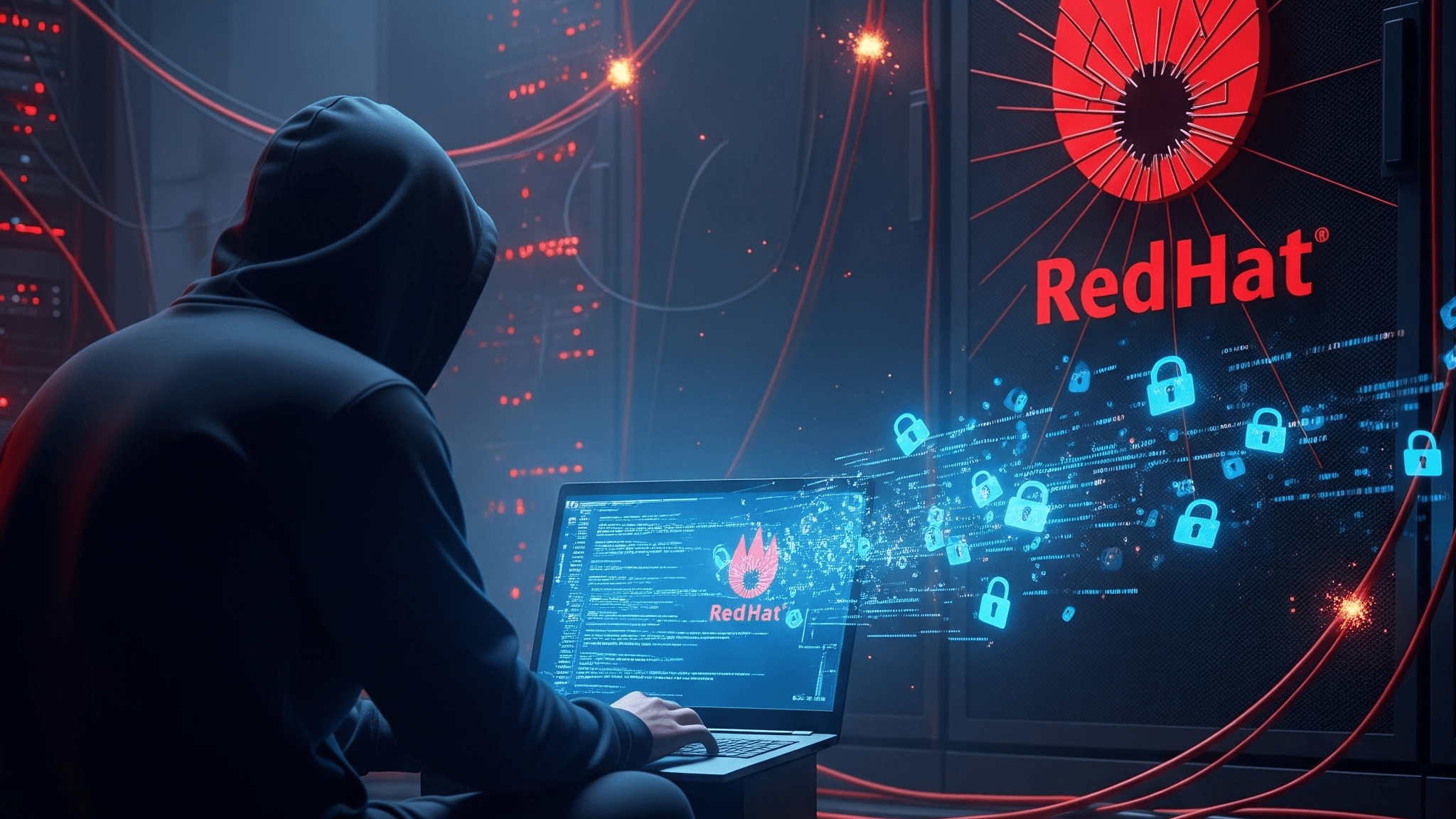
Red Hat Faces Major Security Breach: Implications and Expert Insights
Red Hat, a leading provider of open-source software solutions, has confirmed a significant security incident that could impact thousands of enterprises globally, including several in Spain. The cyber-extortion group Crimson Collective claims to have accessed private repositories linked to Red Hat's consulting domain. This breach has garnered international attention due to its potential widespread impact on businesses reliant on Red Hat's services.
Red Hat, a subsidiary of IBM, is renowned for its enterprise Linux distributions and related services. The breach reportedly involves unauthorized access to private repositories, which may contain sensitive information such as proprietary code, internal documentation, or customer data. The involvement of Crimson Collective suggests a ransomware or cyber-extortion motive, where the attackers threaten to release stolen data unless a ransom is paid.
The breach poses several technical risks. Firstly, if source code or internal documentation was exposed, it could lead to further exploitation of vulnerabilities within Red Hat's software. Secondly, there is a significant supply chain risk; if malicious code is introduced into Red Hat's software, it could be distributed to customers through legitimate updates. Additionally, affected companies may face compliance and legal issues, particularly if customer data was compromised.
This incident underscores the growing threat of ransomware and cyber-extortion attacks targeting high-profile companies. It highlights the need for robust security measures and incident response plans, particularly for companies involved in the tech supply chain. Furthermore, it may prompt increased scrutiny and security practices within the open-source community.
Cybersecurity professionals should take several steps in response to this incident. Firstly, organizations using Red Hat's services should review and update their incident response plans. Secondly, maintaining up-to-date patch management is crucial to mitigate any vulnerabilities exposed in the breach. Lastly, companies should enhance their third-party risk management strategies to address supply chain risks effectively.
In conclusion, the Red Hat security breach serves as a stark reminder of the evolving cyber threats and the importance of proactive security measures. Cybersecurity professionals must remain vigilant and prepared to respond to such incidents to protect their organizations and customers.