
Critical Vulnerabilities and New Tools Highlight Evolving Cybersecurity Threats
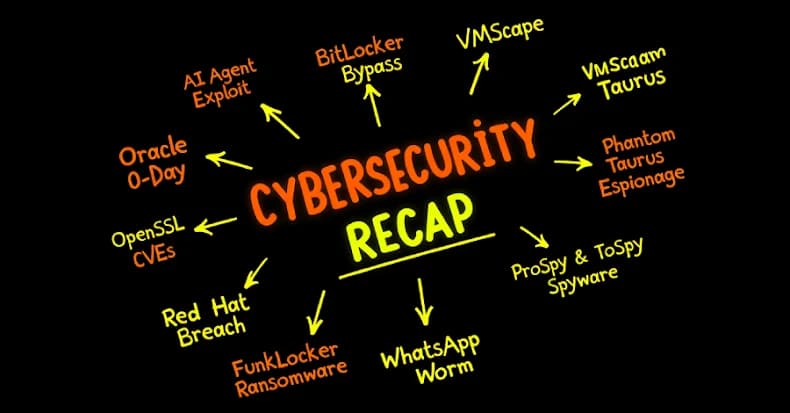
Recent cybersecurity developments highlight significant vulnerabilities and advancements in threat detection. A zero-day vulnerability in Oracle products allows unauthenticated attacks, posing a critical risk to enterprises. This vulnerability can be exploited without any credentials, making it particularly dangerous. Organizations using Oracle products should prioritize patching and implement additional security measures to mitigate the risk until a patch is available.
Additionally, a bypass vulnerability in BitLocker's secure boot process has been discovered. BitLocker is widely used for disk encryption in Windows environments. A bypass in the secure boot process could allow attackers to access encrypted data without the encryption key, undermining the security of sensitive information. Organizations relying on BitLocker should apply patches promptly and consider additional security controls to protect encrypted data.
In response to these evolving threats, a new security tool called VMScape has been launched. VMScape aims to improve threat detection in virtualized environments, which are complex and often challenging to secure. Enhanced detection capabilities in virtualized environments can help organizations better protect their virtual infrastructure from threats.
Furthermore, a WhatsApp worm has been reported, spreading through malicious links in messages. This worm can quickly infect a large number of users, highlighting the persistent threat of social engineering attacks. Users should be educated about the risks of clicking on links from unknown sources, and organizations should implement security measures to detect and block malicious links.
These incidents underscore the dynamic and evolving nature of cybersecurity threats. Organizations must remain vigilant, apply patches promptly, and evaluate new security tools to mitigate emerging risks. Cybersecurity professionals should focus on vulnerability management, encryption security, and user awareness to protect against these evolving threats.