
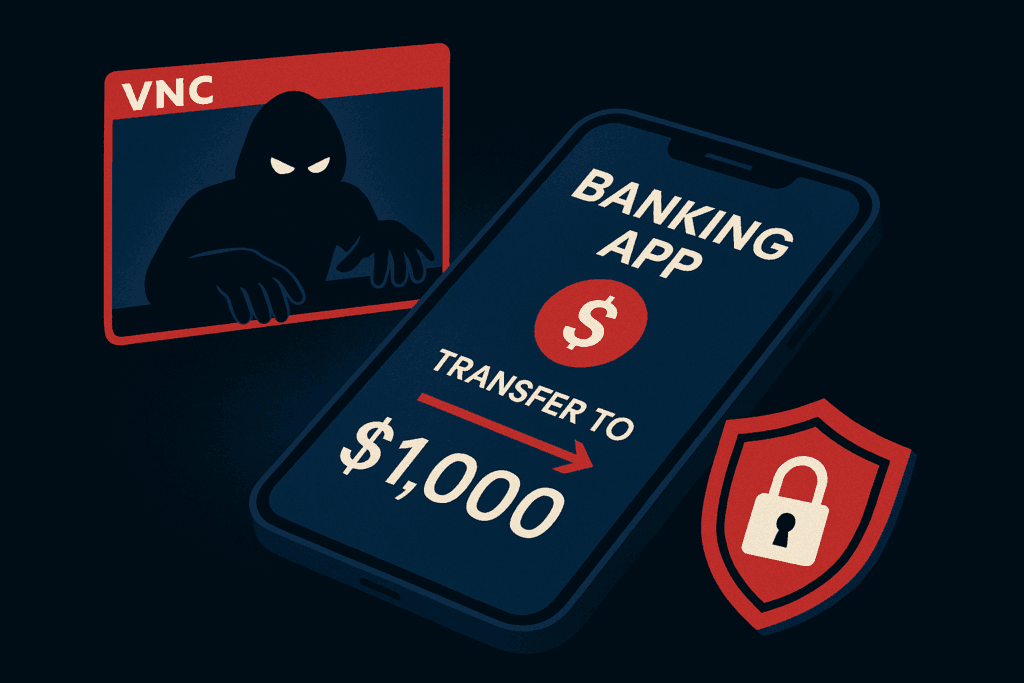
Klopatra: New Android Trojan Uses Hidden VNC to Drain Bank Accounts
The emergence of the Klopatra Android trojan represents a significant threat to mobile security. This malware employs a hidden Virtual Network Computing (VNC) module to remotely control infected devices, facilitating the theft of banking credentials and financial information. Klopatra is typically distributed through phishing emails or malicious applications, which, once installed, grant attackers full access to the victim's device. This access enables the capture of screenshots, keystroke logging, and the execution of unauthorized actions, leading to the draining of bank accounts.
Technically, Klopatra's use of a hidden VNC module is particularly concerning. VNC is a legitimate remote desktop tool, but when used maliciously, it allows attackers to operate the device as if they were the user. This capability, combined with the malware's ability to bypass security measures, makes it a potent threat. The malware can evade detection by traditional security software, making it difficult to identify and remove.
The impact of Klopatra on the cybersecurity landscape is substantial. It highlights the increasing sophistication of mobile malware, which is becoming more adept at evading detection and exploiting vulnerabilities. This trend underscores the need for robust mobile security measures, including advanced threat detection and user education on safe practices.
For cybersecurity professionals, the emergence of Klopatra serves as a reminder of the evolving threat landscape. It is crucial to implement multi-layered security strategies that include endpoint protection, network monitoring, and regular security audits. Additionally, users should be educated on the risks of downloading apps from untrusted sources and the importance of keeping their devices updated with the latest security patches.
In conclusion, Klopatra is a sophisticated Android trojan that poses a significant threat to financial security. Its use of hidden VNC and ability to bypass security measures make it a formidable adversary. Cybersecurity professionals must remain vigilant and proactive in their defense strategies to mitigate the risks posed by such advanced malware.