
Beamglea Campaign: 175 Malicious npm Packages Target Industrial and Tech Sectors
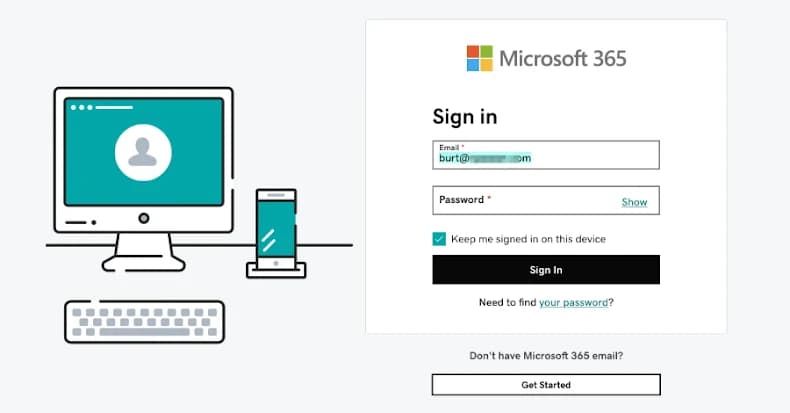
Cybersecurity researchers have identified 175 malicious npm packages used in a phishing campaign dubbed Beamglea. These packages, collectively downloaded 26,000 times, target over 135 companies in the industrial, technology, and energy sectors. The campaign is notable for its use of npm packages as infrastructure to facilitate large-scale phishing attacks, marking an unusual and sophisticated approach.
The malicious packages represent a significant supply chain threat. By infiltrating trusted npm repositories, attackers can distribute malicious code to unsuspecting developers, leading to credential harvesting and other malicious activities. The scale of the campaign, with 26,000 downloads, indicates a broad reach and potential for widespread impact.
The targeting of critical infrastructure sectors such as industrial, technology, and energy companies underscores the high-value nature of the targets. These sectors are often targeted for industrial espionage or disruptive attacks, making the Beamglea campaign particularly concerning.
From a technical standpoint, the use of npm packages in phishing attacks highlights the evolving tactics of cybercriminals. Traditional phishing methods often rely on emails or fake websites, but leveraging package managers introduces a new vector for attacks. This approach can bypass some traditional security measures, as developers may not suspect malicious activity in seemingly legitimate packages.
The impact on the cybersecurity landscape is significant. This incident underscores the need for robust supply chain security measures. Organizations must implement stricter controls on third-party dependencies, including regular scanning for malicious packages and verifying the integrity of all dependencies.
For cybersecurity professionals, the key takeaways include the necessity of continuous monitoring and incident response planning. Organizations should scan their environments for the identified malicious packages and remove them promptly. Additionally, updating security policies to include stricter controls on third-party packages and enhancing employee training on secure coding practices and phishing awareness are critical steps.
In conclusion, the Beamglea campaign serves as a stark reminder of the evolving nature of cyber threats. It emphasizes the importance of vigilance and robust security measures in protecting against sophisticated supply chain attacks.