
Critical Authentication Bypass Vulnerability in WordPress Bookings Plugin (CVE-2025-5947) Exposes Admin Accounts
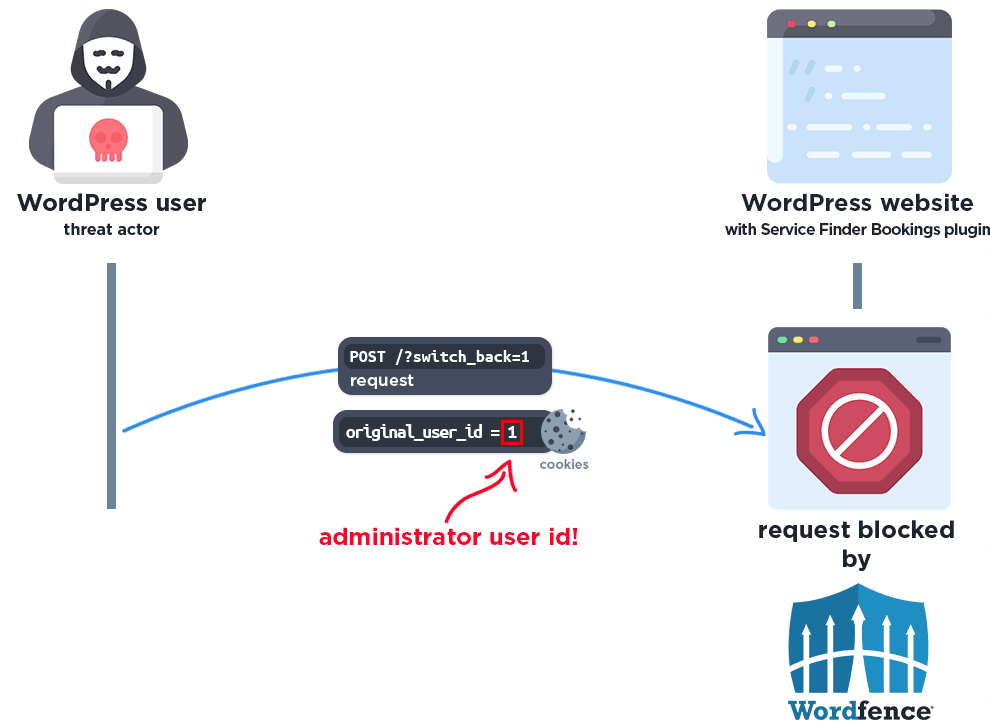
A critical vulnerability, identified as CVE-2025-5947 with a CVSS score of 9.8, has been discovered in the Bookings plugin of the Service Finder theme for WordPress. This flaw affects versions ≤6.0 of the plugin and enables attackers to bypass authentication mechanisms, thereby gaining administrative access to affected WordPress sites. The severity of this vulnerability cannot be overstated, as it allows unauthorized users to perform any action an administrator can, including data theft, malware installation, and site defacement.
The technical context of this vulnerability lies in the authentication bypass, a common but highly dangerous flaw in web applications. Authentication bypass vulnerabilities typically arise from improper session management or flawed code that allows attackers to circumvent login procedures. In this case, the vulnerability in the Bookings plugin permits attackers to log in as administrators without valid credentials, posing a significant risk to the integrity and security of affected WordPress sites.
The impact of this vulnerability on the cybersecurity landscape is substantial. WordPress is a widely used CMS, and many businesses rely on it for their online presence. The ease of exploitation and the high impact of this vulnerability make it a prime target for attackers. Small to medium-sized businesses, which may lack dedicated cybersecurity teams, are particularly at risk. The high CVSS score of 9.8 underscores the urgency of addressing this vulnerability promptly.
From an expert perspective, this incident highlights several critical cybersecurity practices. Regular updates and patch management are essential to mitigate such vulnerabilities. Organizations should also implement the principle of least privilege, limiting the number of admin accounts and their access levels. Additionally, monitoring tools can help detect unusual admin activities, providing early warning signs of potential breaches.
Actionable intelligence for organizations using the affected plugin includes immediate patching to a version higher than 6.0, auditing admin logs for unauthorized access, and having a robust incident response plan in place. These steps are crucial to mitigate the risks associated with this vulnerability and protect sensitive data and system integrity.
In conclusion, the discovery of CVE-2025-5947 serves as a stark reminder of the importance of proactive cybersecurity measures. Organizations must remain vigilant and prioritize the security of their web applications to safeguard against such critical vulnerabilities.