
Stealit Infostealer MaaS Exploits Node.js SEA Feature to Evade Detection
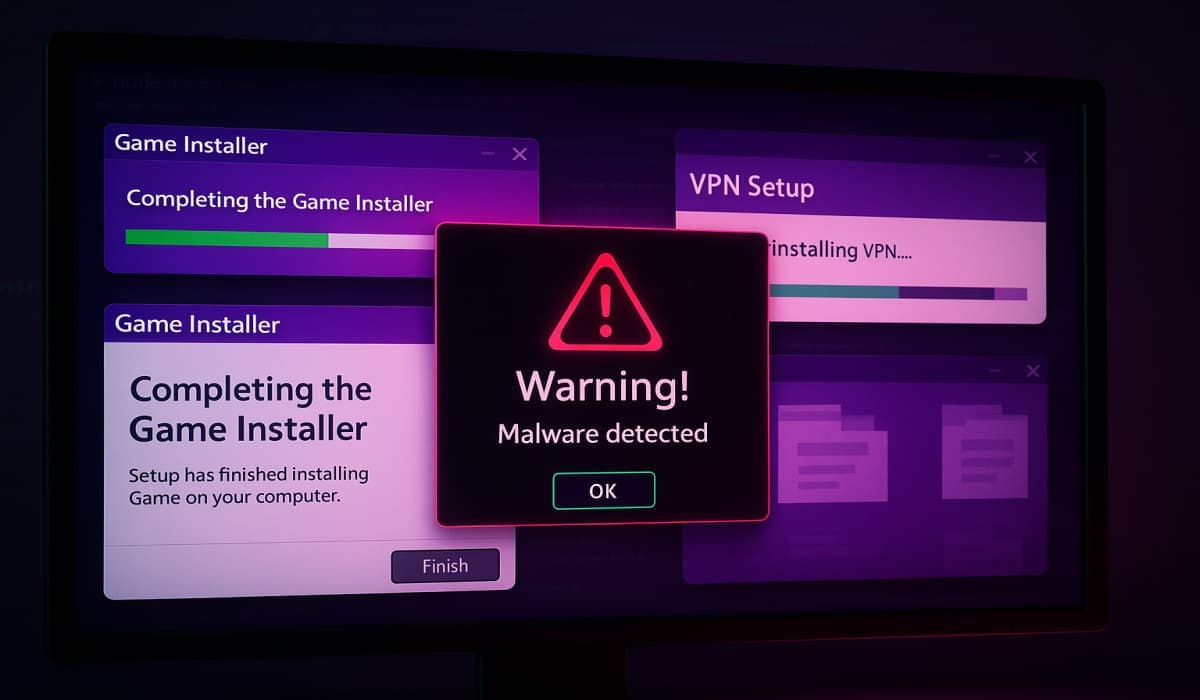
Fortinet has issued a warning regarding Stealit, an emerging infostealer malware-as-a-service (MaaS) targeting Windows systems. This malware employs the Single Executable Applications (SEA) feature of Node.js to evade detection. SEA enables Node.js applications to be packaged into a standalone executable, which Stealit leverages to masquerade as a legitimate application, thereby circumventing conventional security detection mechanisms. Stealit propagates via counterfeit installers for popular games and VPN services, exploiting user behavior of downloading software from untrusted sources, thus increasing infection rates. Technically, Stealit's use of Node.js SEA presents a notable challenge. Security software may not be equipped to thoroughly inspect Node.js executables, allowing the malware to evade detection. This highlights a potential gap in current cybersecurity defenses that requires immediate attention. The broader impact on the cybersecurity landscape is considerable. As malware authors continue to innovate, leveraging legitimate software features for malicious purposes, security solutions must adapt to detect and neutralize such advanced threats. End-user education is critical to mitigate risks associated with downloading software from unverified sources and verifying installer authenticity. For cybersecurity professionals, updating detection signatures to identify malicious SEA files is essential. Additionally, enforcing stricter controls on software downloads and conducting regular security awareness training for end-users can further reduce infection risks. In conclusion, Stealit signifies a sophisticated evolution in malware tactics, exploiting legitimate software features to evade detection. Cybersecurity teams must remain vigilant and proactive in enhancing their defenses to effectively counter such threats.