
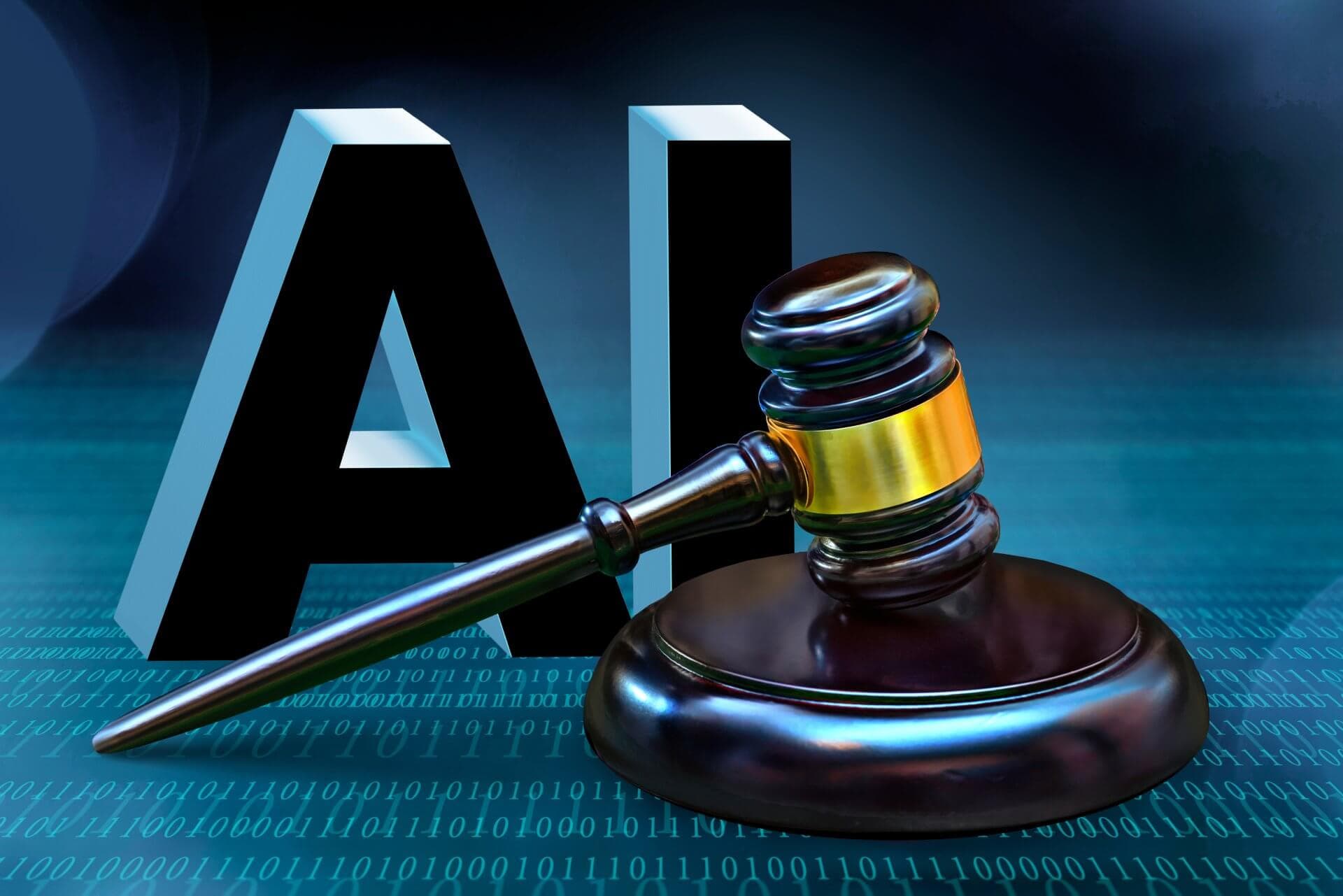
Italian Judiciary Restricts AI Use in Judicial Activities: Cybersecurity Implications
The Italian Superior Council of the Judiciary (CSM) has issued a directive prohibiting the use of artificial intelligence (AI) in judicial activities, except under certain conditions. This decision reflects the judiciary's cautious approach to integrating AI into legal processes, emphasizing the need to maintain human oversight and decision-making autonomy. According to the directive, AI can be utilized as a support tool but must not replace the judgment of magistrates.
The technical implications of this decision are significant. AI systems, if employed, must be designed to support judicial activities without compromising the integrity or autonomy of judicial decisions. This necessitates robust cybersecurity measures to ensure the confidentiality, integrity, and availability of judicial data processed by AI systems. Key considerations include secure data handling, protection against adversarial attacks on AI models, and compliance with data protection regulations.
The impact on the cybersecurity landscape includes an increased focus on securing AI systems within judicial contexts. Legal institutions will need to implement stringent security protocols to safeguard sensitive legal information and ensure the reliability of AI-assisted processes. Cybersecurity professionals will play a vital role in developing and maintaining these secure AI systems, ensuring they meet legal and ethical standards.
The CSM's directive also proposes an operational roadmap for AI integration in the judicial domain. This roadmap likely outlines the necessary conditions and safeguards to ensure that AI systems are compatible with judicial functions. While the specifics of this roadmap are detailed in the original article, the overarching goal is to balance the benefits of AI with the need for security and judicial integrity.
In conclusion, the CSM's decision highlights the importance of careful and secure integration of AI in judicial activities. Cybersecurity professionals must ensure that AI systems are secure, transparent, and compliant with legal standards. This directive underscores the critical role of human oversight in judicial processes and the necessity of robust cybersecurity measures to protect the integrity of legal systems.